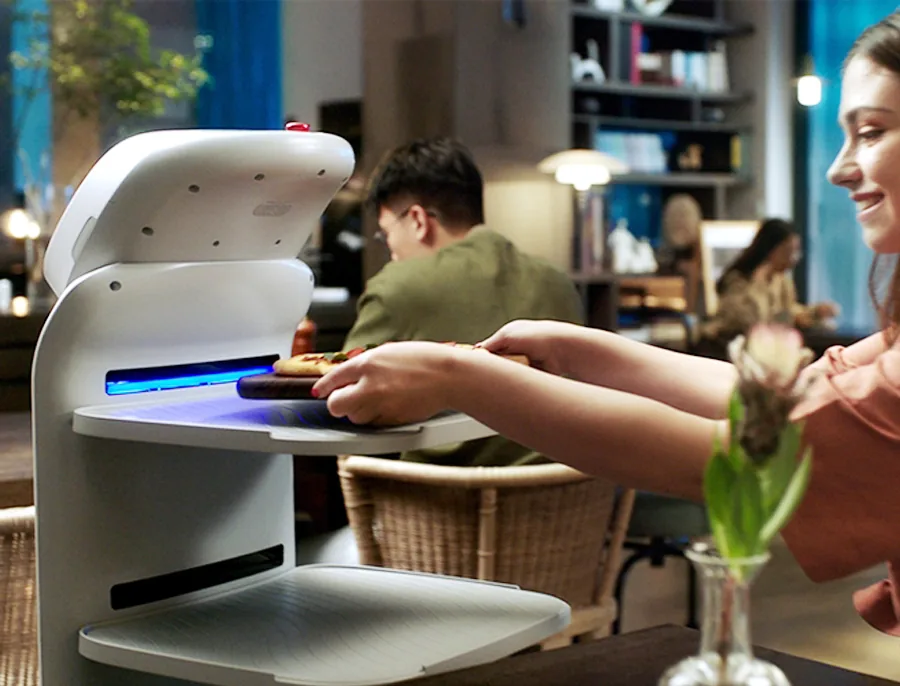
Carpet and Specialty Floor Care Robots: What Autonomous Units Can and Cannot Do
At a glance: Robot proposals usually compute coverage for hard floor and quietly exclude carpet. The omission is rarely dishonest, but it changes the economics of the whole project. This guide maps four surface families to automation fit, explains why carpet task-hours are systematically underestimated, and shows how carpet share moves payback.
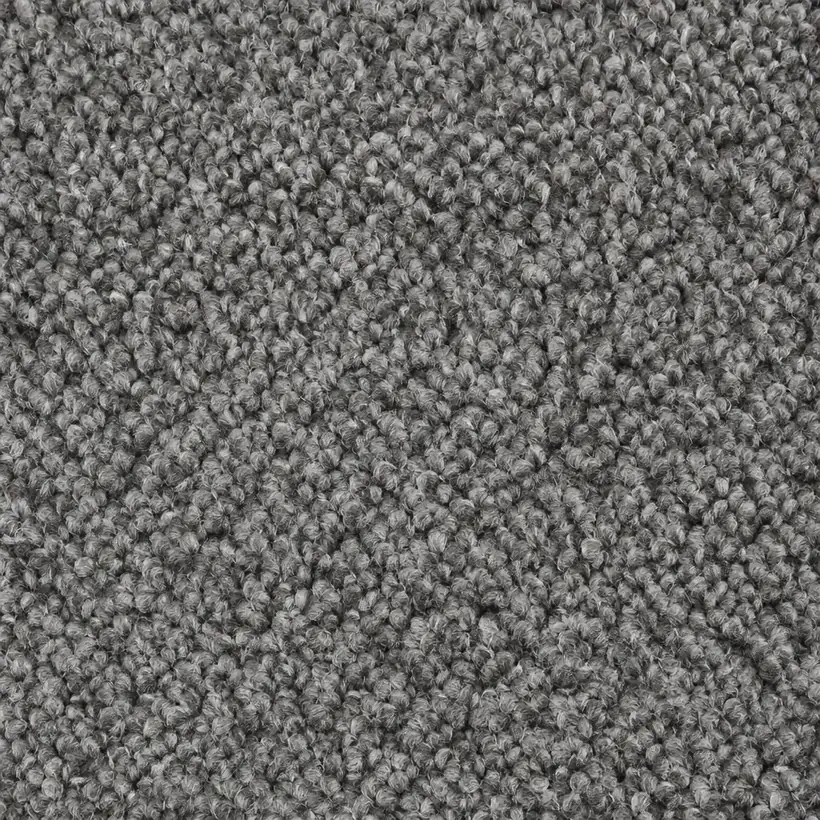
The Surface Most Robot Proposals Quietly Exclude
A request for a cleaning robot proposal usually comes back with a coverage calculation for hard floor. Carpet is either omitted or mentioned as a future capability. The omission is rarely dishonest; it reflects the fact that scrubbing and vacuuming are different operations with different tooling, and most autonomous scrubbers are built around the first. For a facility where carpet is a large share of the area, that omission changes the economics of the whole project.
This guide sets out how carpet and specialty surfaces differ from hard floor, what an autonomous unit can and cannot do on each, and how to decide whether to include them in scope or to keep them manual by design.
Four Surface Families and Their Real Task Profiles
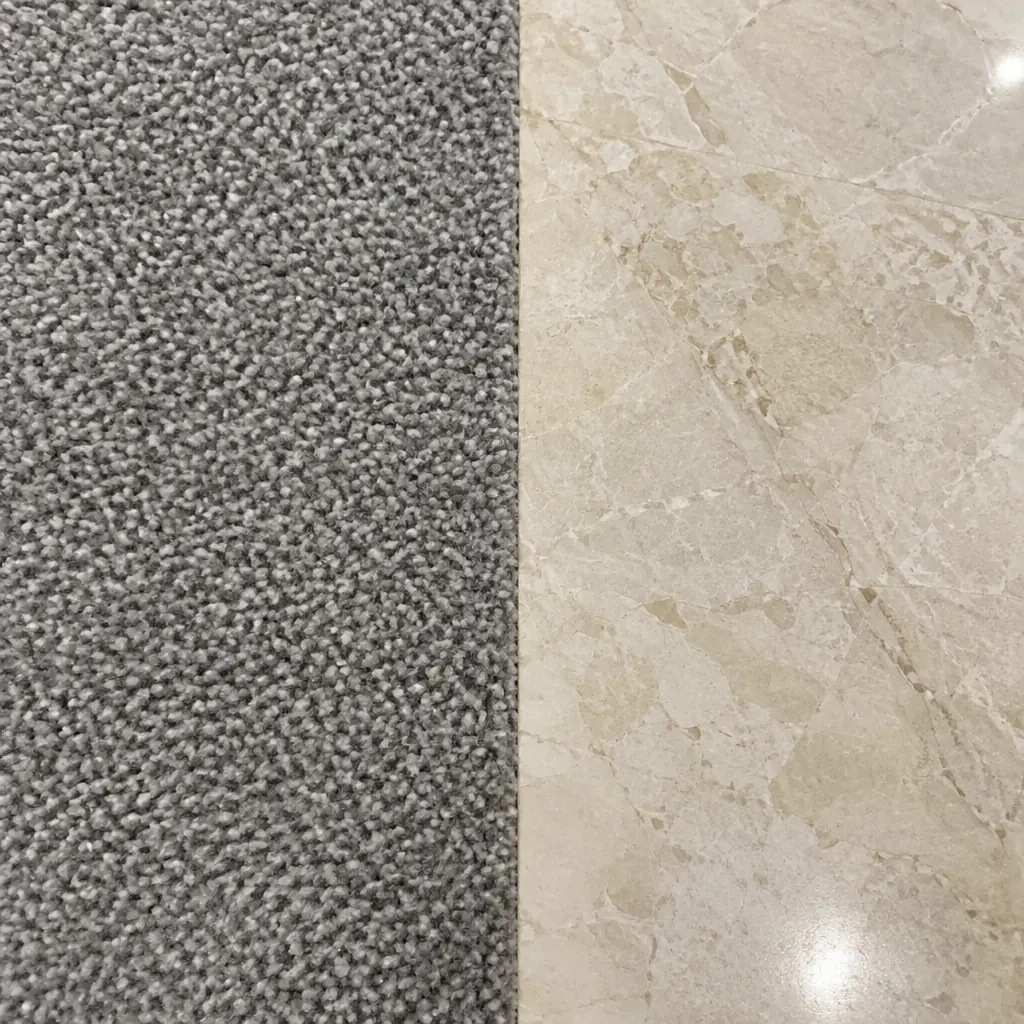
Cleaning specifications in commercial buildings usually span four surface families, and each has a different relationship with automation.
| Surface family | Primary operation | Automation fit | Key constraint |
|---|---|---|---|
| Hard floor, sealed | Scrub, sweep, burnish | Strong | Water management, obstacle density |
| Low-pile carpet, glue-down | Vacuum, spot treat | Moderate | Soil lift versus vacuum passes |
| High-pile or loose-lay carpet | Deep vacuum, extraction | Weak | Drag torque, edge lift, wheel traction |
| Specialty: stone, timber, rubber, anti-static | Surface-specific chemistry | Selective | Chemistry compatibility, moisture limits |
The distinction that matters most in practice is between low-pile glue-down carpet and everything else. Low-pile glue-down is the only carpet type routinely handled well by autonomous units, because the pile is short enough that drive wheels maintain traction and a vacuum head can maintain contact without excessive drag.
Why Carpet Task-Hours Are Usually Underestimated
Carpet looks faster than hard floor because there is no water, no squeegee and no wet-floor signage. In measurement it is usually slower, and the reason is passes.
Effective carpet cleaning requires multiple vacuum passes over the same area to lift embedded soil. A single pass removes surface debris and a small fraction of the deeper soil; published cleaning-industry guidance on vacuum effectiveness commonly references two to seven passes depending on pile height and soil load. This means the productive coverage rate for carpet, expressed as area genuinely cleaned per hour, is often half or less of the hard-floor rate for the same machine footprint.
The consequence for planning is direct: a facility sizing a fleet on total square footage will underestimate carpet-heavy floors by a large margin. In a mixed facility where carpet is 55% of the area, carpet may consume 65% to 70% of the task-hours. This is the single most common arithmetic error in service robot fleet sizing, and it is covered in detail in the fleet right-sizing method.
What Autonomous Units Do Well on Carpet
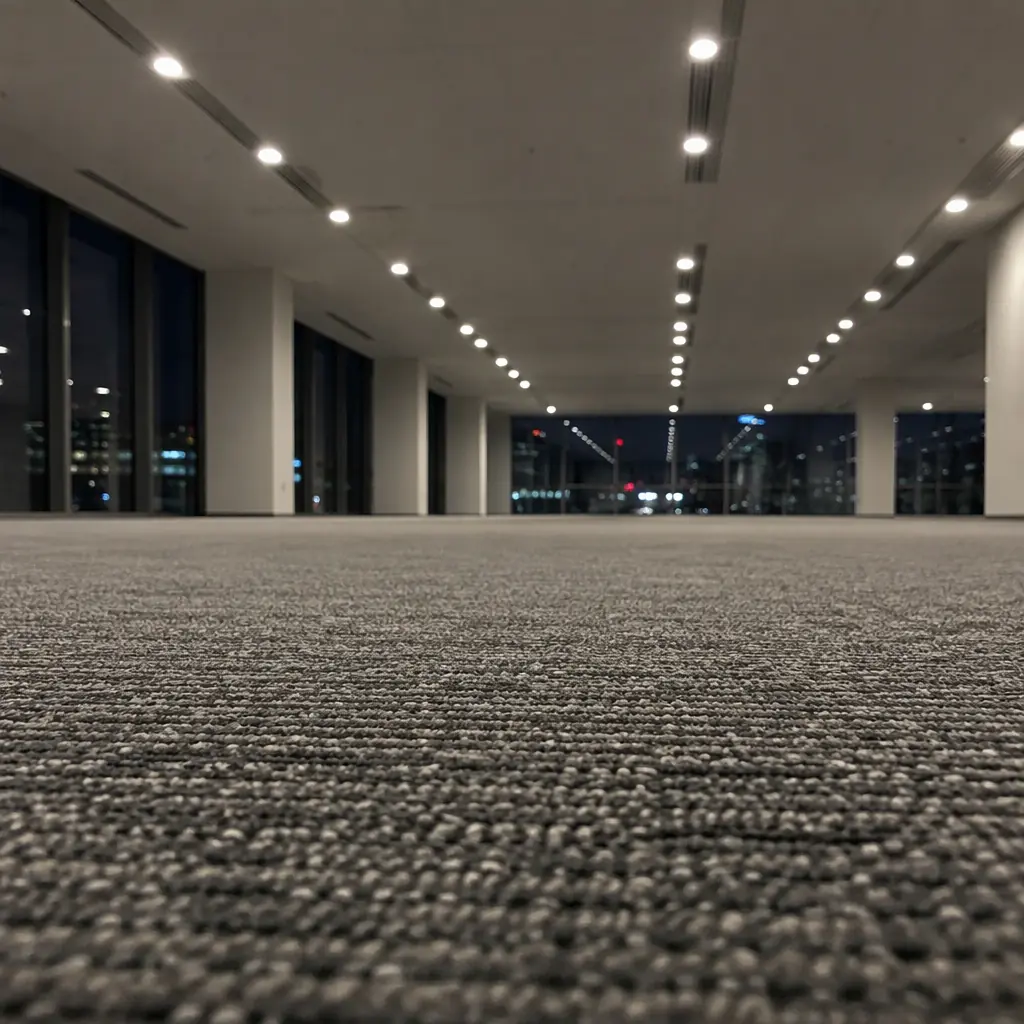
Autonomous units perform reliably on low-pile glue-down carpet in three specific roles.
Scheduled high-frequency maintenance vacuuming. Daily passes over circulation routes keep soil from accumulating, which is the operation that most affects appearance and the one most amenable to routine automation. Frequency beats intensity here, and routine automation is good at frequency.
Large open areas. Open-plan office carpet, conference rooms and long corridors suit autonomous coverage patterns. Regular rectangular areas without chair obstructions are where the robot's systematic path planning outperforms a human operator's habits.
Low-traffic zones. Under-desk areas, secondary meeting rooms and back-of-house carpet are frequently skipped in manual rounds under time pressure. Automation does not skip them, and the consistency shows over months rather than days.
What They Do Not Do Well, and Why
Three limitations are structural rather than a matter of product maturity, and a procurement specification should treat them as such.
- Deep extraction. Hot water extraction requires a water supply, significant weight and wet carpet handling. This remains a manual or specialised-machine operation. No mainstream autonomous scrubber performs true extraction.
- Spot and stain treatment. Stain chemistry is surface-specific and judgment-dependent. A human decides within seconds whether a mark is coffee, ink or scuff, and chooses chemistry accordingly. Automating that decision is a different class of problem from automating coverage.
- High-pile and loose-lay. Pile height reduces drive traction and increases vacuum head drag. Performance degrades sharply and manufacturers generally do not warrant the carriage across these surfaces.
The honest position for a facility with substantial high-pile carpet is that robots handle the low-pile share and manual effort continues on the rest. That is a legitimate split, and it should be written into the scope explicitly rather than left implicit and discovered at commissioning.
Specialty Hard Surfaces Require a Chemistry Check Before a Machine Check
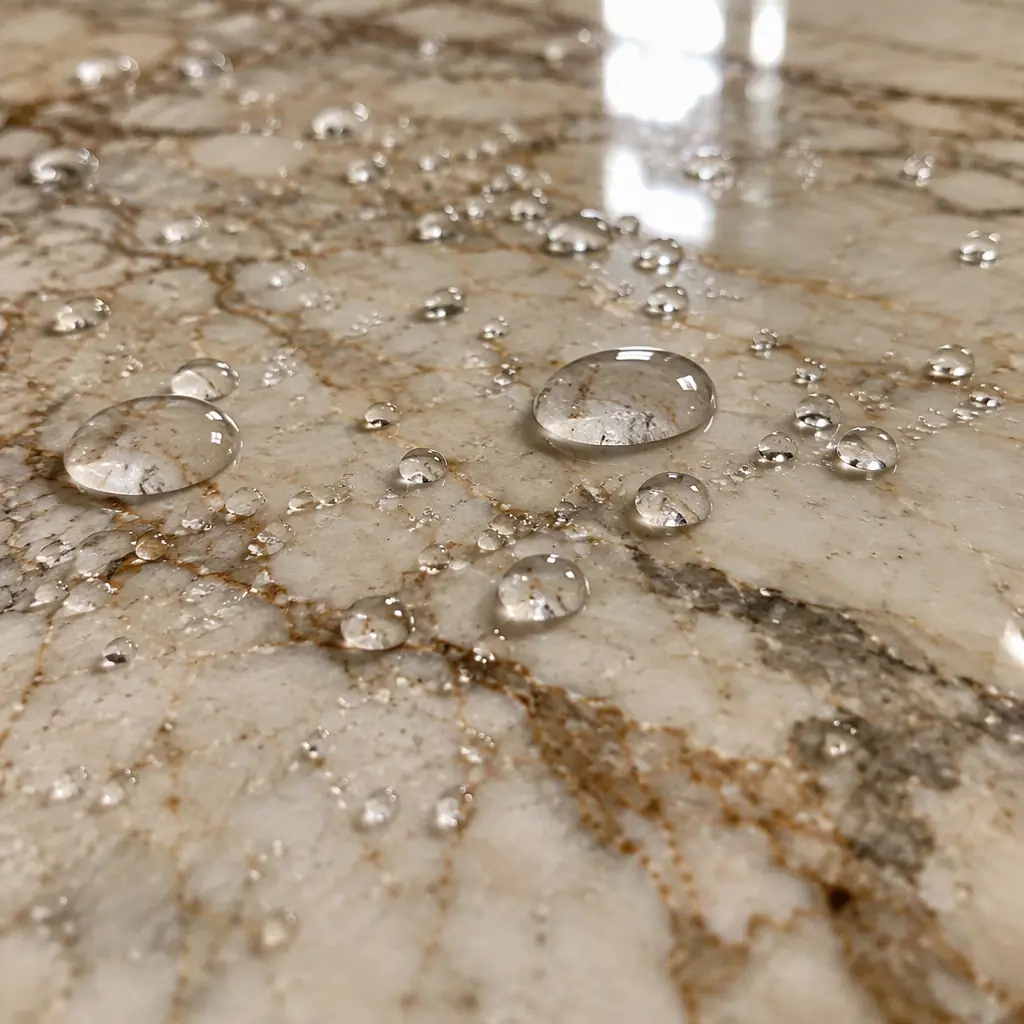
Stone, timber, rubber, epoxy and anti-static floors each have chemistry constraints that rule some machines in and some out, independently of navigation quality.
Natural stone and polished marble are acid-sensitive; a machine with an unbuffered acidic detergent dispensed at a fixed dilution is unsuitable regardless of how well it navigates. Timber and laminate are moisture-sensitive, so equipment that leaves standing water risks swelling and joint damage. Anti-static floors in electronics and cleanroom areas require specified detergents, and the wrong residue can compromise the surface's resistance properties. Rubber flooring in gyms and play areas is generally compatible with neutral chemistry and moderate water, and is one of the easier specialty surfaces to automate.
The practical rule is that surface chemistry is decided before equipment selection. A facility that fixes its detergent and dilution regime first, then asks which units can dispense it accurately, avoids a common and expensive reversal where a purchased fleet is incompatible with the only approved chemistry for a floor type.
A Decision Table for Scoping Carpet and Specialty Areas
Use the following to decide in or out for each surface in the cleaning specification.
| Surface | Include in robot scope | Reason |
|---|---|---|
| Low-pile glue-down carpet, open areas | Yes | Reliable traction, repeatable coverage |
| Low-pile carpet, dense desking | Yes, with obstruction audit | Chair density drives intervention rate |
| High-pile or loose-lay carpet | No | Traction and drag limits, warranty conditions |
| Carpet extraction and stain work | No | Requires water, weight and judgment |
| Sealed vinyl, ceramic, terrazzo | Yes | Core scrubber application |
| Acid-sensitive natural stone | Only with compatible chemistry | Dispensing system must support neutral product |
| Timber and laminate | Only with moisture control | Standing water risk to joints |
| Anti-static and cleanroom floors | Only with approved detergent | Residue affects surface properties |
How the Carpet Share Changes the Business Case
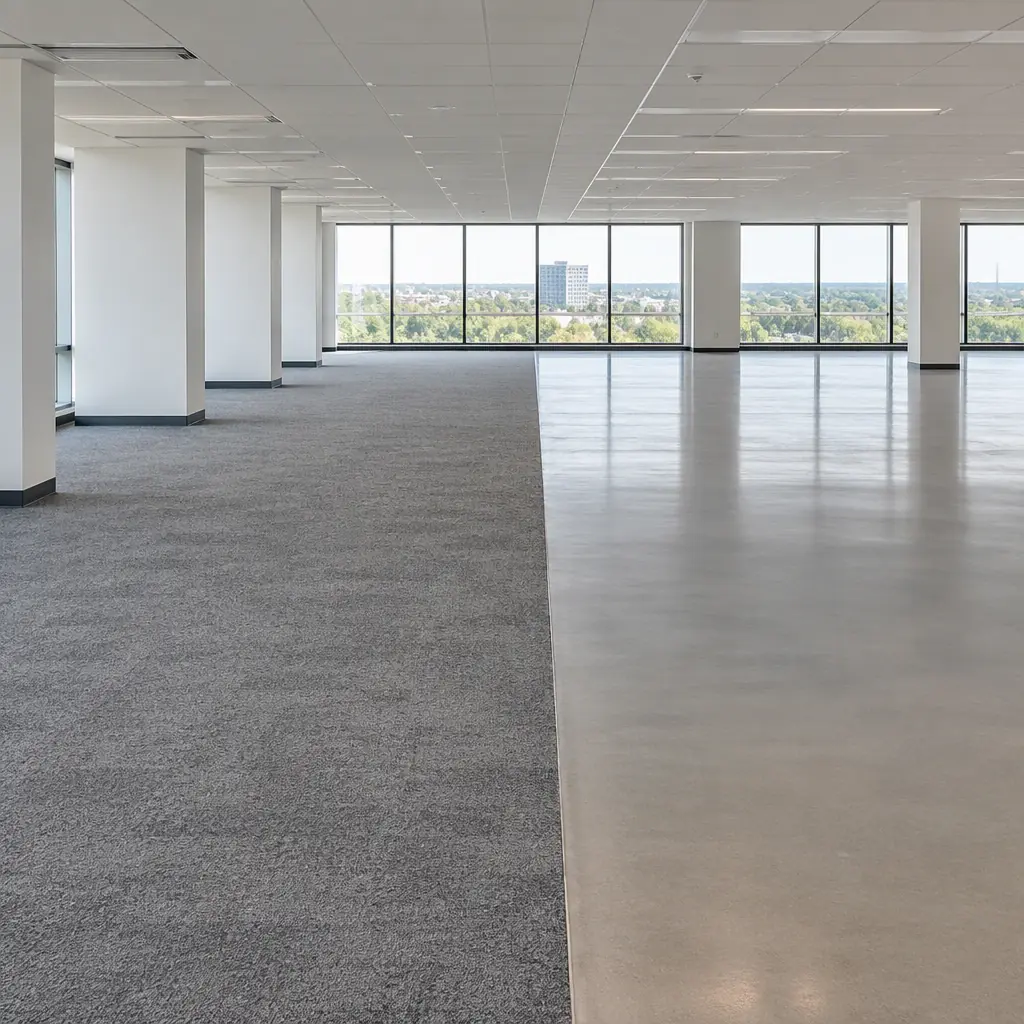
Because the business case for cleaning automation rests on hours recovered, and because carpet is labour-intensive per unit area, the carpet share of a facility determines how much benefit is actually available.
Consider two facilities of 20,000 m². The first is 90% sealed hard floor and 10% low-pile carpet. The second is 45% hard floor and 55% carpet. On a per-area basis the second facility has a materially larger manual task-hour pool, because carpet consumes more minutes per square metre. If carpets are excluded from robot scope, the second facility's addressable hours are less than half the first's, while its total cleaning cost is higher. The automation payback calculation must therefore be run against in-scope hours, not total hours, or the projected return is inflated by work the fleet will never perform.
This is the arithmetic that most often changes a decision. A facility that starts with an attractive headline payback and then correctly removes out-of-scope carpet hours frequently finds the payback extends by a year or more, at which point the honest move is to phase the deployment: automate the hard-floor core first, measure the real recovery, and revisit carpet once measured data exists.
Writing Carpet Into the Specification Correctly
Three specification practices prevent most carpet-related surprises.
The scope table for an RFQ should list every surface family with its area, its cleaning standard, and whether it is in or out of automated scope. Ambiguity here is the origin of most post-commissioning disputes. The coverage rate required should be stated per surface family, not as a single blended figure, so that carpet productivity must survive contact with a real measurement. And the intervention definition should explicitly cover environment-caused stops such as obstructive furniture and raised carpet edges, because on carpet these are the dominant intervention class and excluding them from the count would make the autonomy metric meaningless.
A facility that does these three things knows before signature what the fleet will and will not clean, and is not relying on a vendor's coverage figure to discover the boundary after the units arrive.