Robots for Hospitality & Hotels
Hotels run on calm. The robots that work in them have to be quiet, self-sufficient and invisible when they should be. That is a routing and manners problem before it is a hardware one.
What actually breaks
Night shifts that don't scale
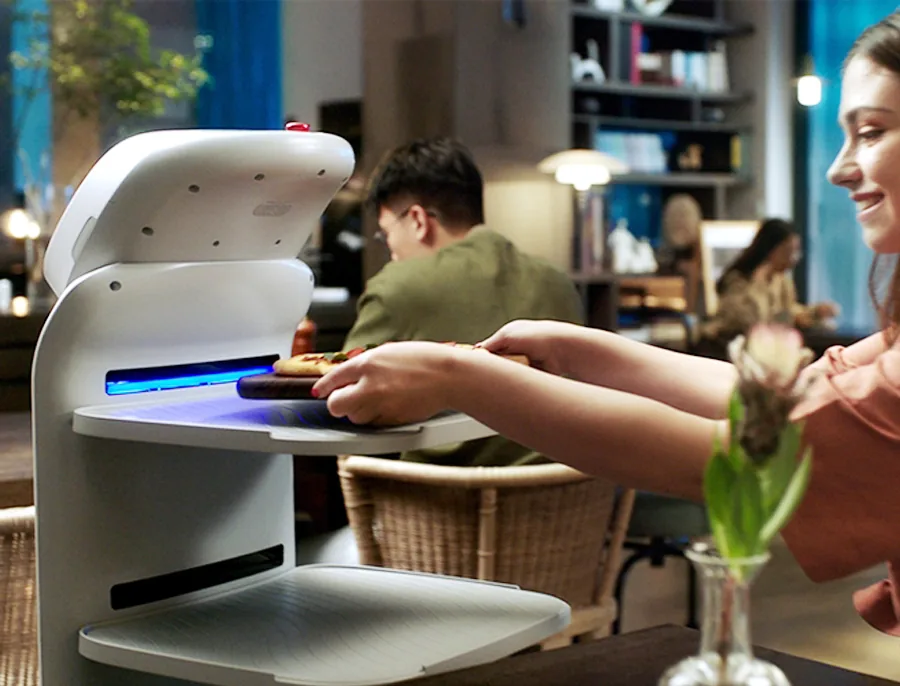
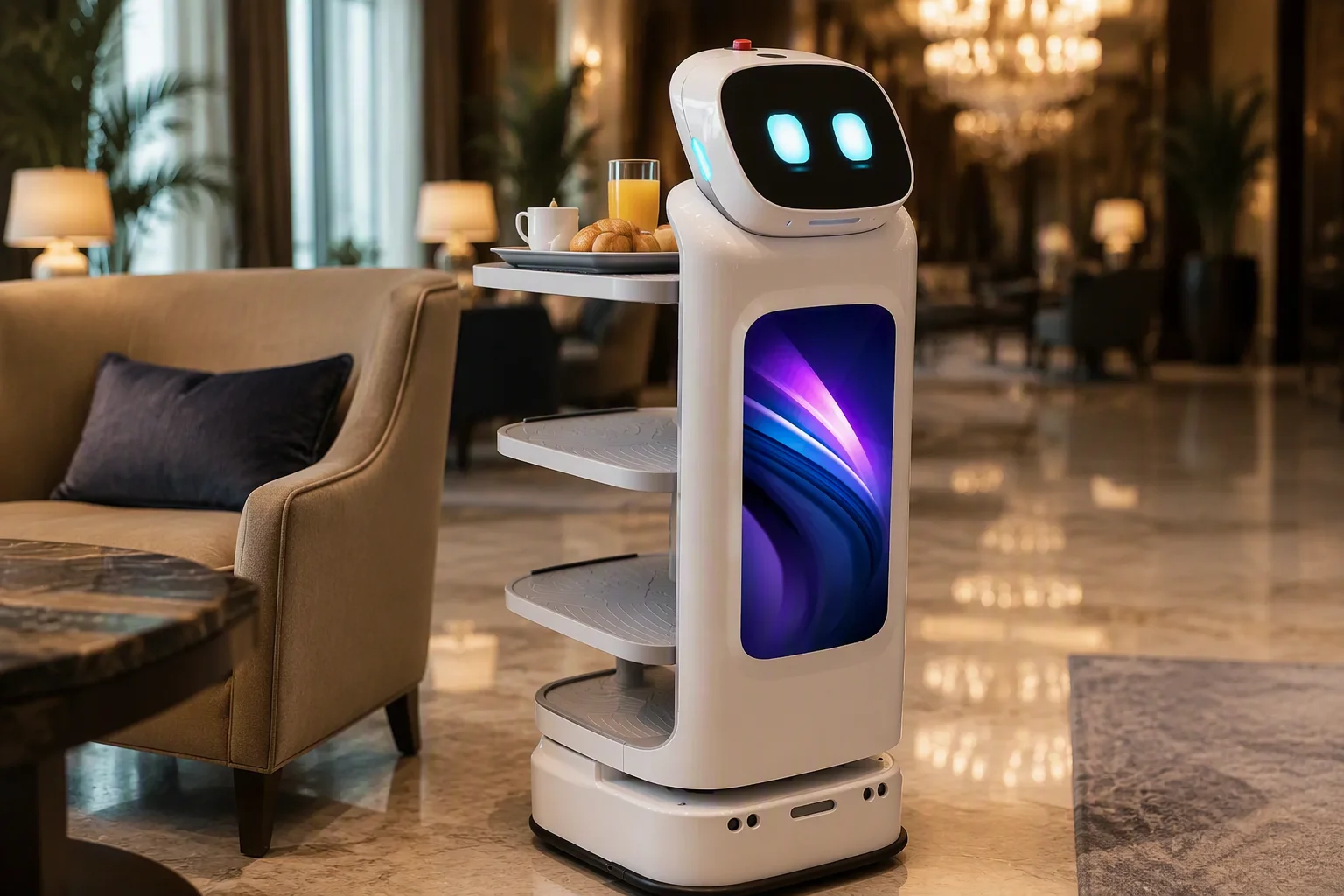
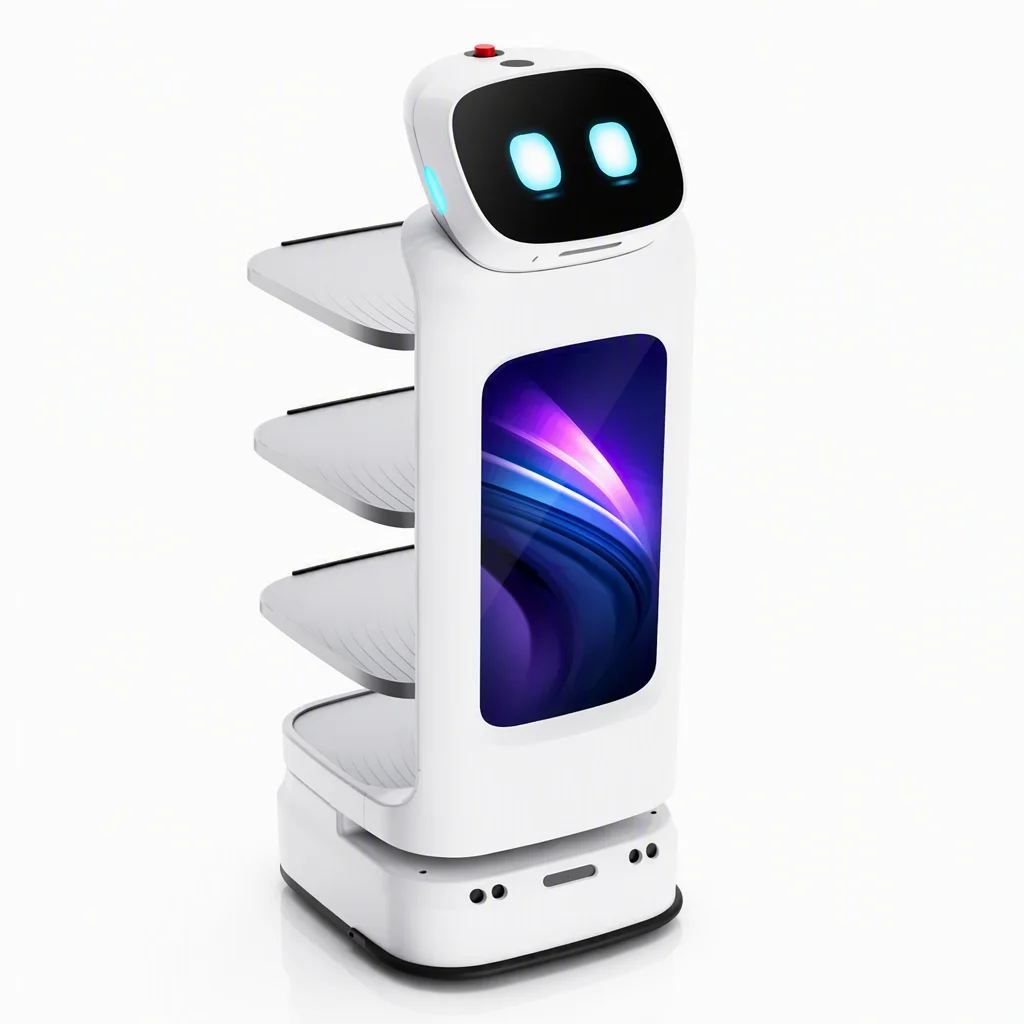
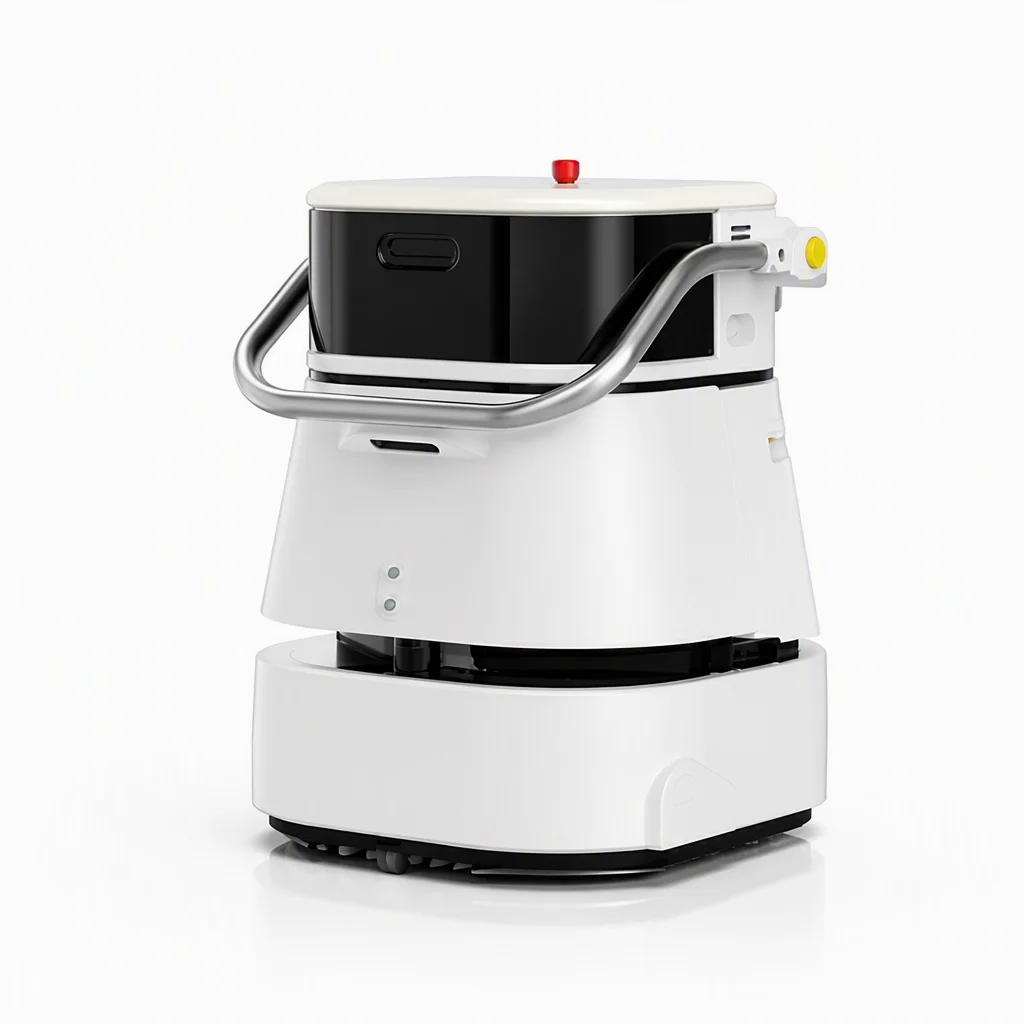
Room service at 11 pm, amenity drops at 1 am, the hours where one request pulls a front-desk agent off the desk. A D1 runs the corridors on schedule and returns to dock without a handler.
Lobby floors that show everything
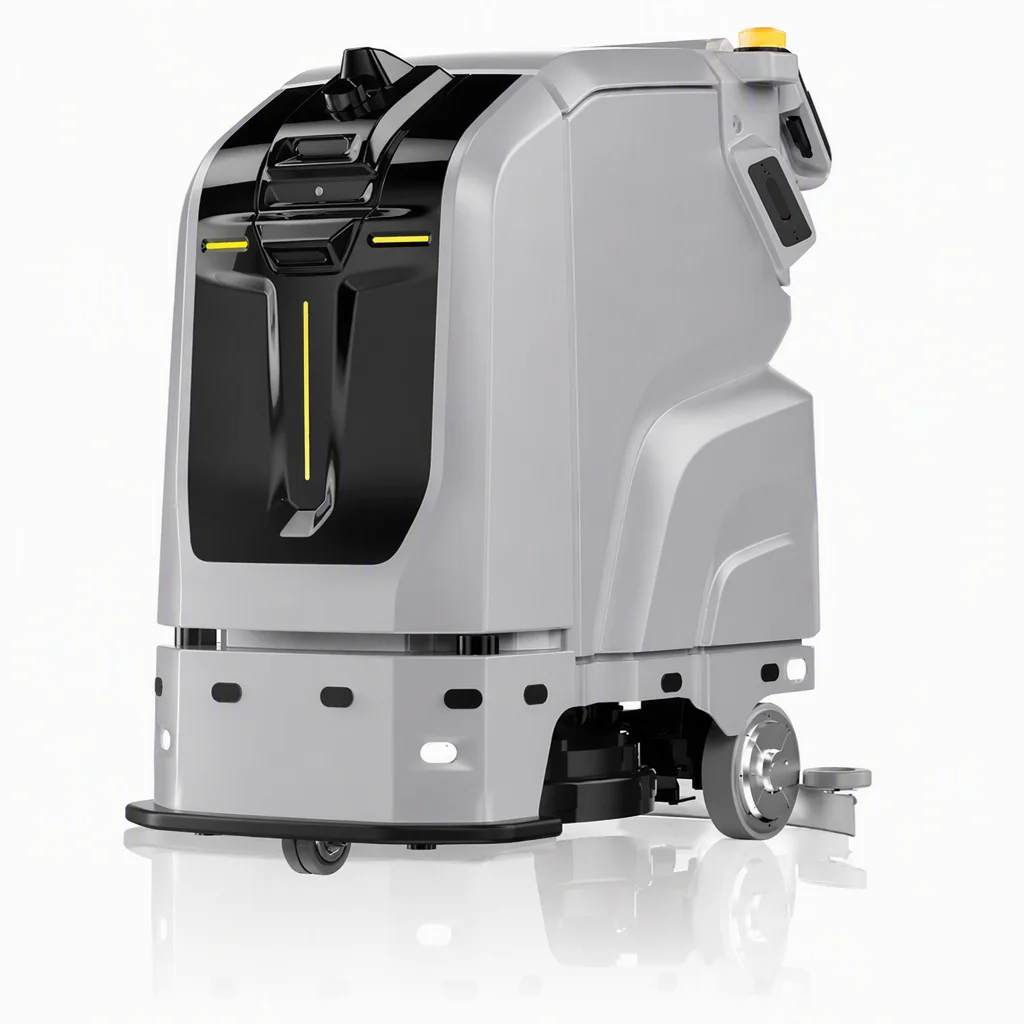
Marble and terrazzo lobbies show every scuff by morning. A C1 scrubs 2,040 m²/h on a night program and self-docks before the first guest crosses the lobby.
A front desk that is also a switchboard
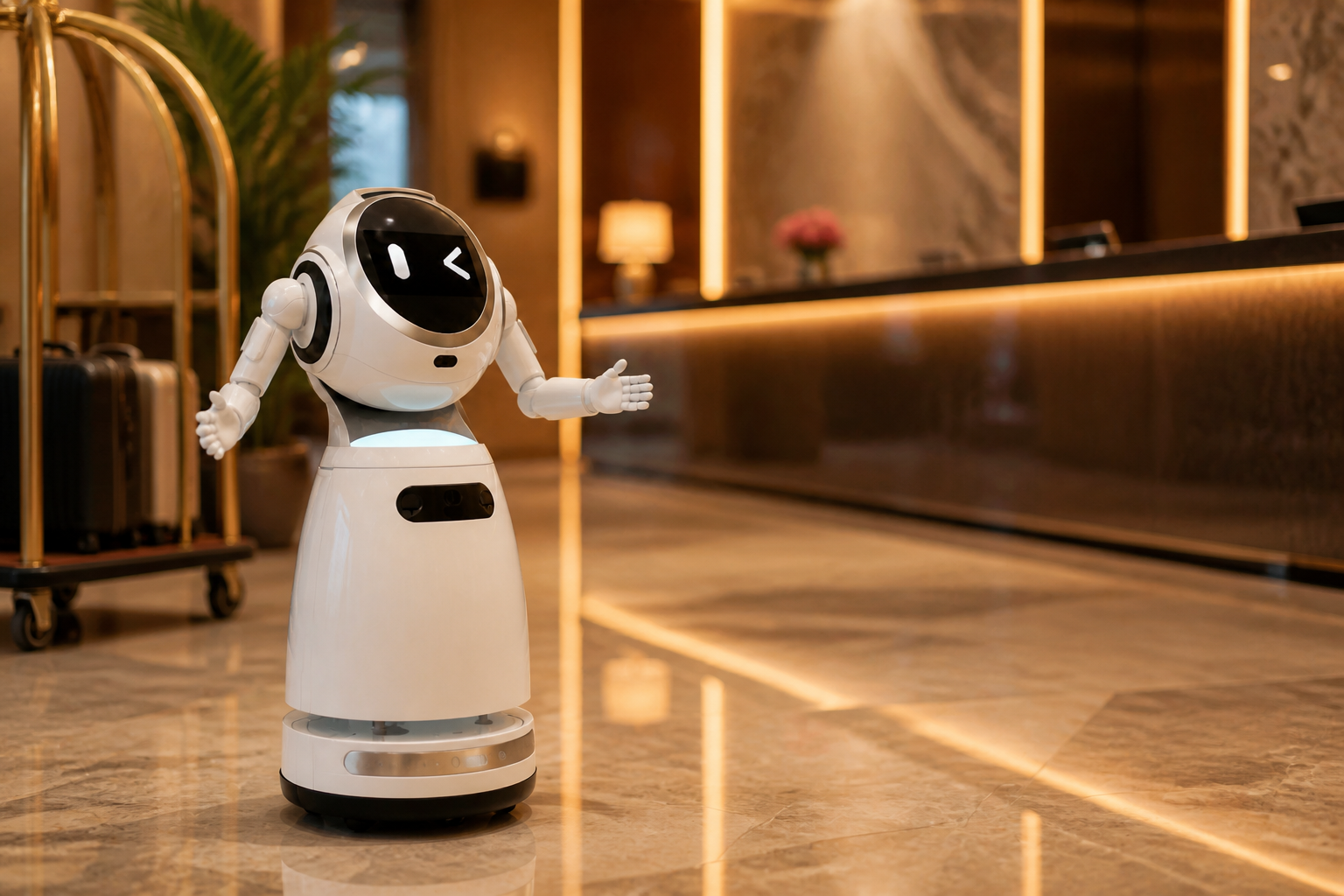
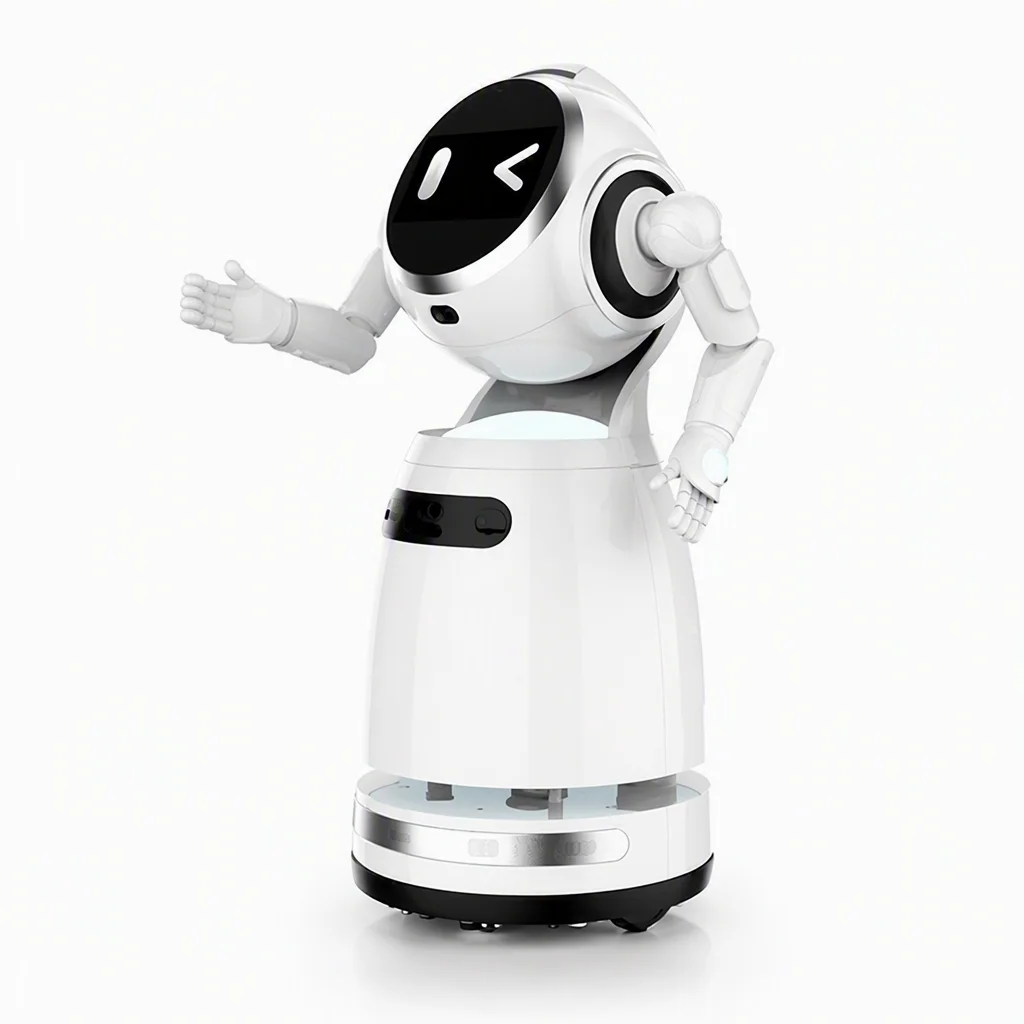
Recurring questions, breakfast hours, directions, lift etiquette, eat the check-in window. A G1 handles greetings and wayfinding in multiple languages, and hands off the rest to staff.
How the fleet fits
A typical hotel starts with one D1 for guest delivery and a C1 for public-area floors; G1 joins where the lobby volume justifies it. Fleets share charging and one support program.
The ordinary day, run by robots
What shifts look like after week one, the pattern that repeats across every site in this industry.
- The 11 pm room-service run: the corridor is the robot's, the desk stays staffed.
- Daytime: amenities and documents between floors, elevator-integrated.
- Public areas: C1 on the night program, lobby floors dry before the first check-in.
Case notes
The same machines, in the same roles, in public deployment records elsewhere.
Hotels & hospitality venues
D1
The delivery platform covers lobby-adjacent service in one schedule: welcoming guests, escorting to seats, parading promotional routes and delivering, rooms, meeting floors and the restaurant on the same machine.
Deploy in hospitality & hotels.
Send the floor plan, pricing, routes and timeline in one reply.