Robots for Healthcare
In clinical spaces the bar is higher: floors must be dry before rounds, noise matters, and the robot's schedule is a compliance matter. Cleaning discipline is the product.
What actually breaks
Corridor hygiene on clinical timelines
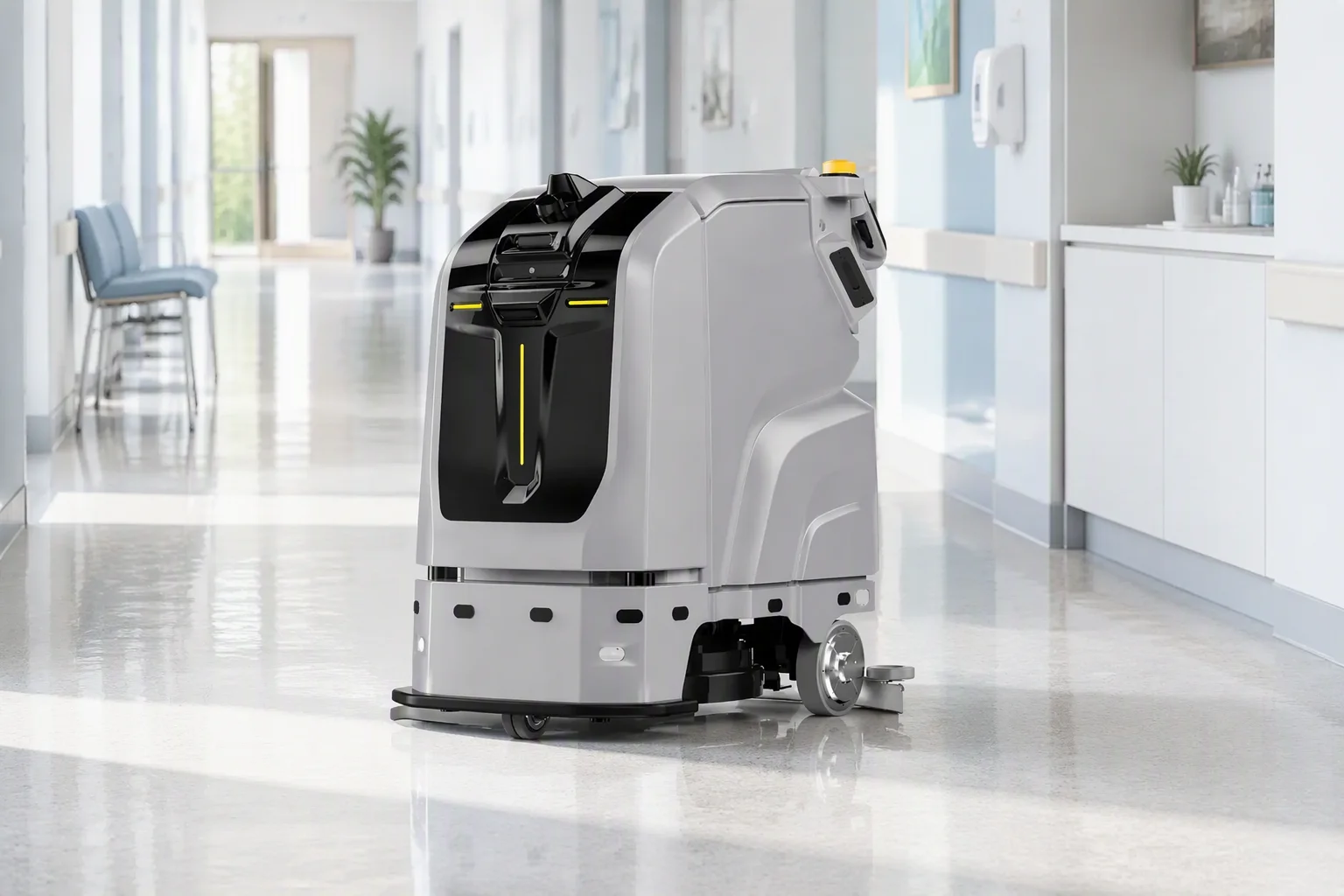
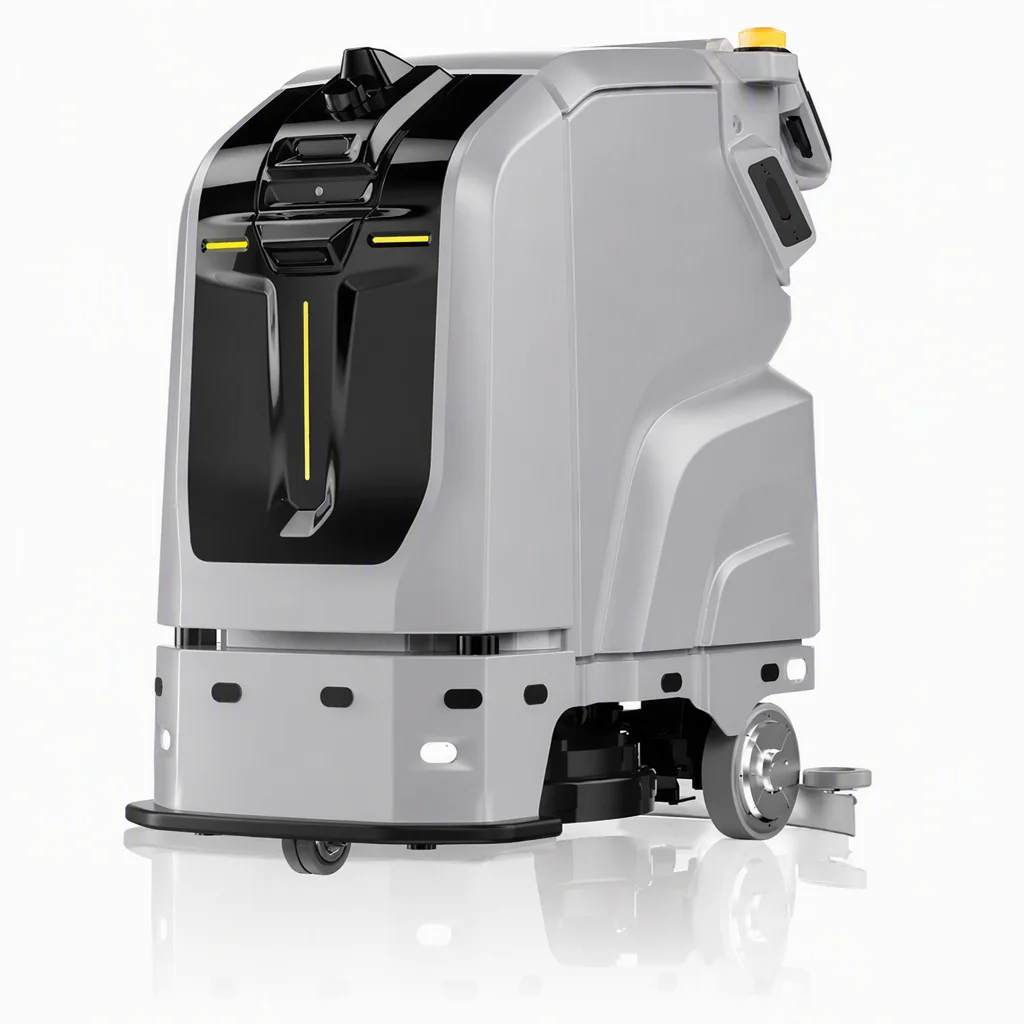
Wards need scrubbing between rounds, not after visiting hours. A C1's night program leaves terrazzo and vinyl dry to walk on, 790 mm squeegee pickup, no residue.
Tight rooms, tighter doorways
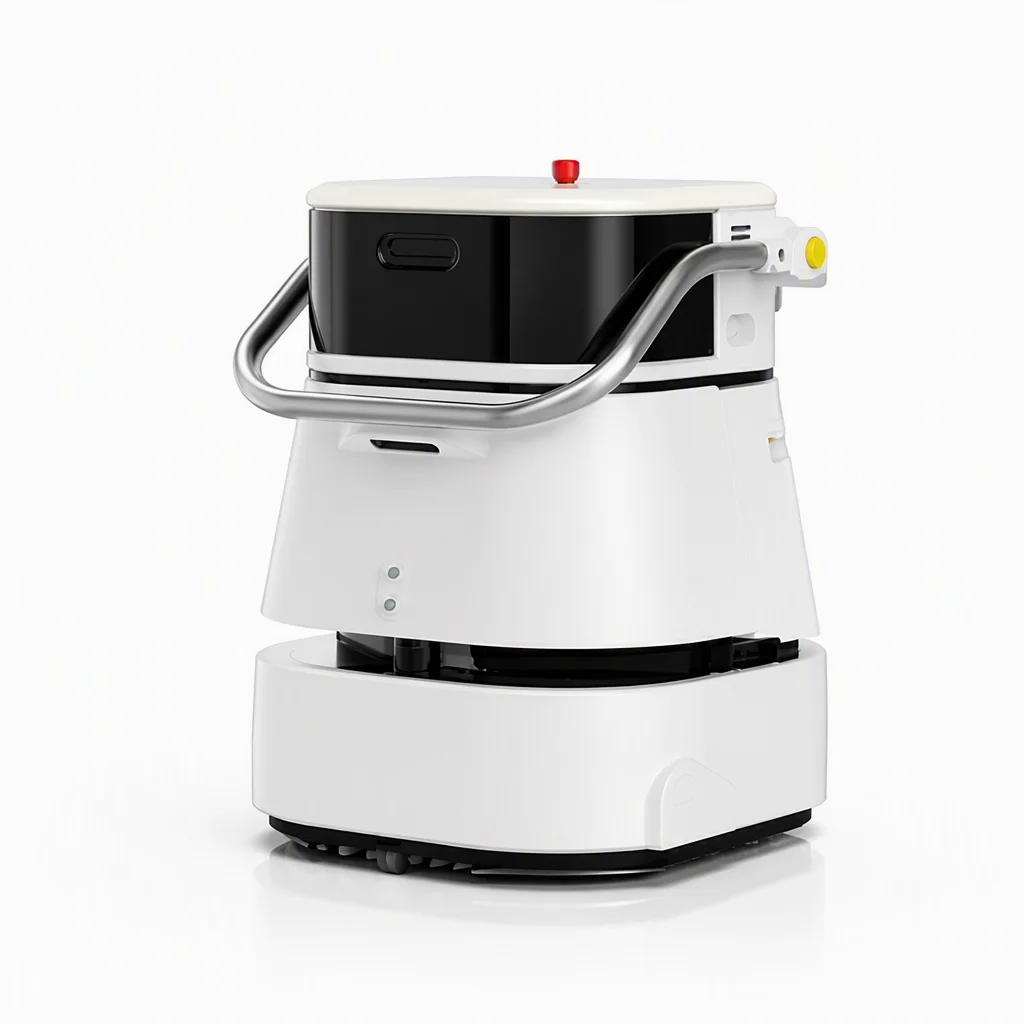
Cleaners' closets, washrooms and 85 cm aisles are where ride-on machines give up. A C2 Pro is built for exactly that footprint.
Front desk queues at outpatient peaks
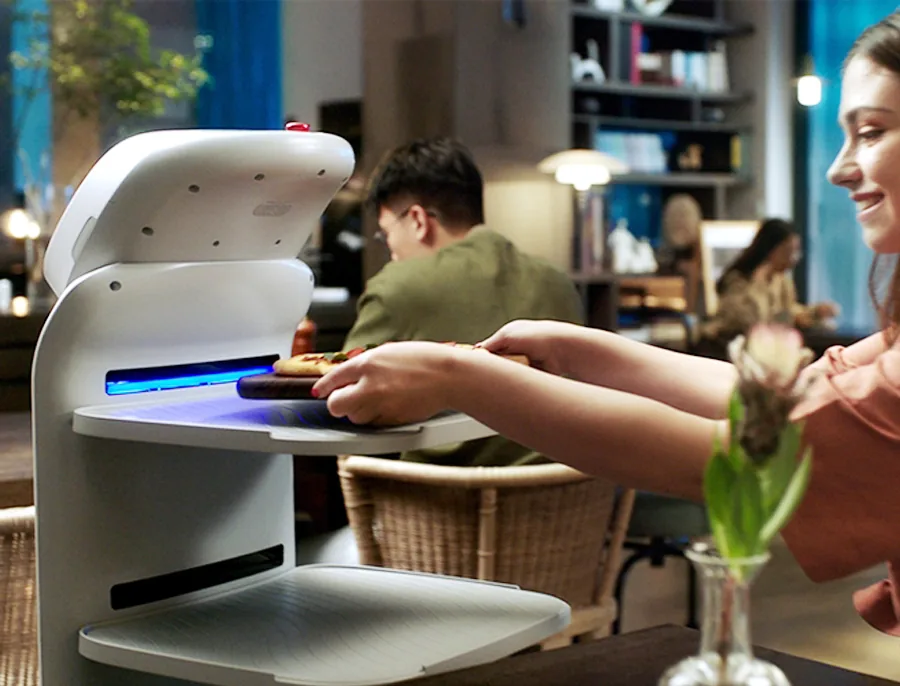
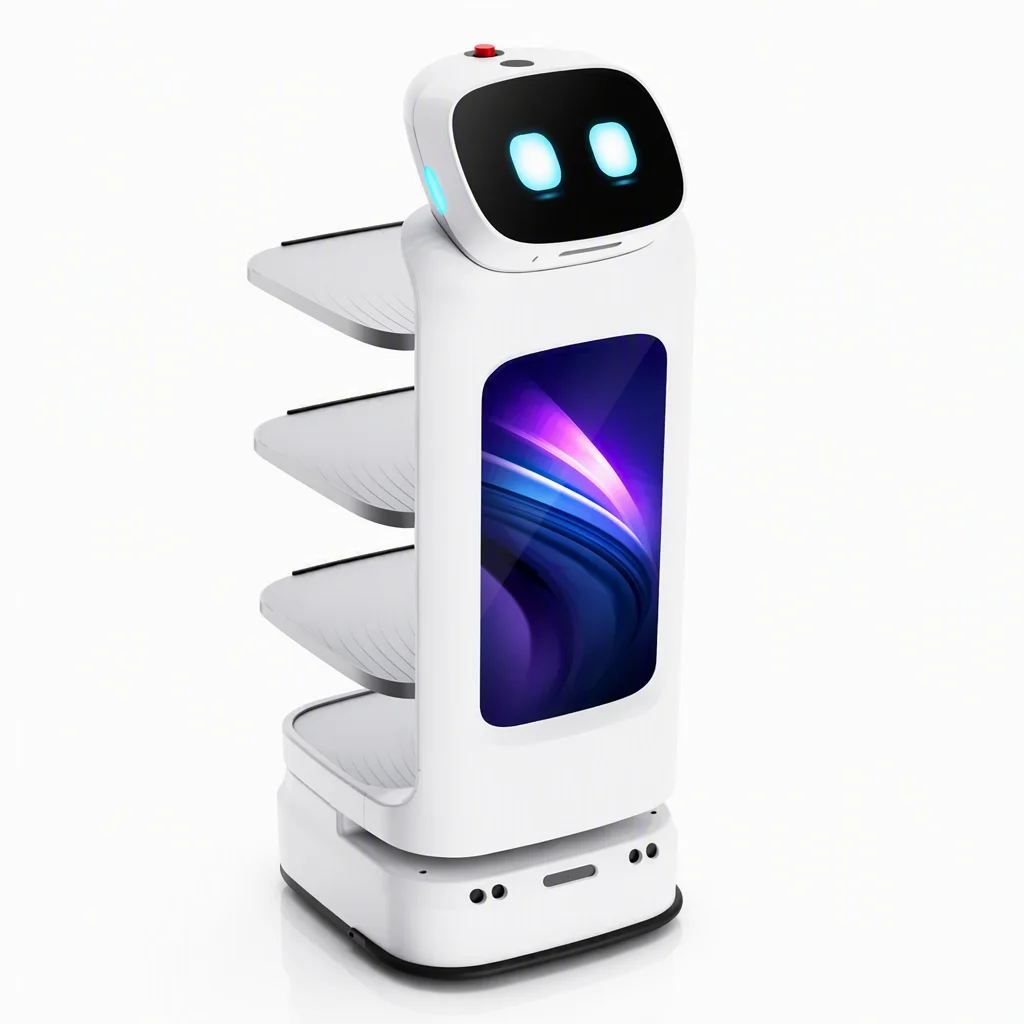
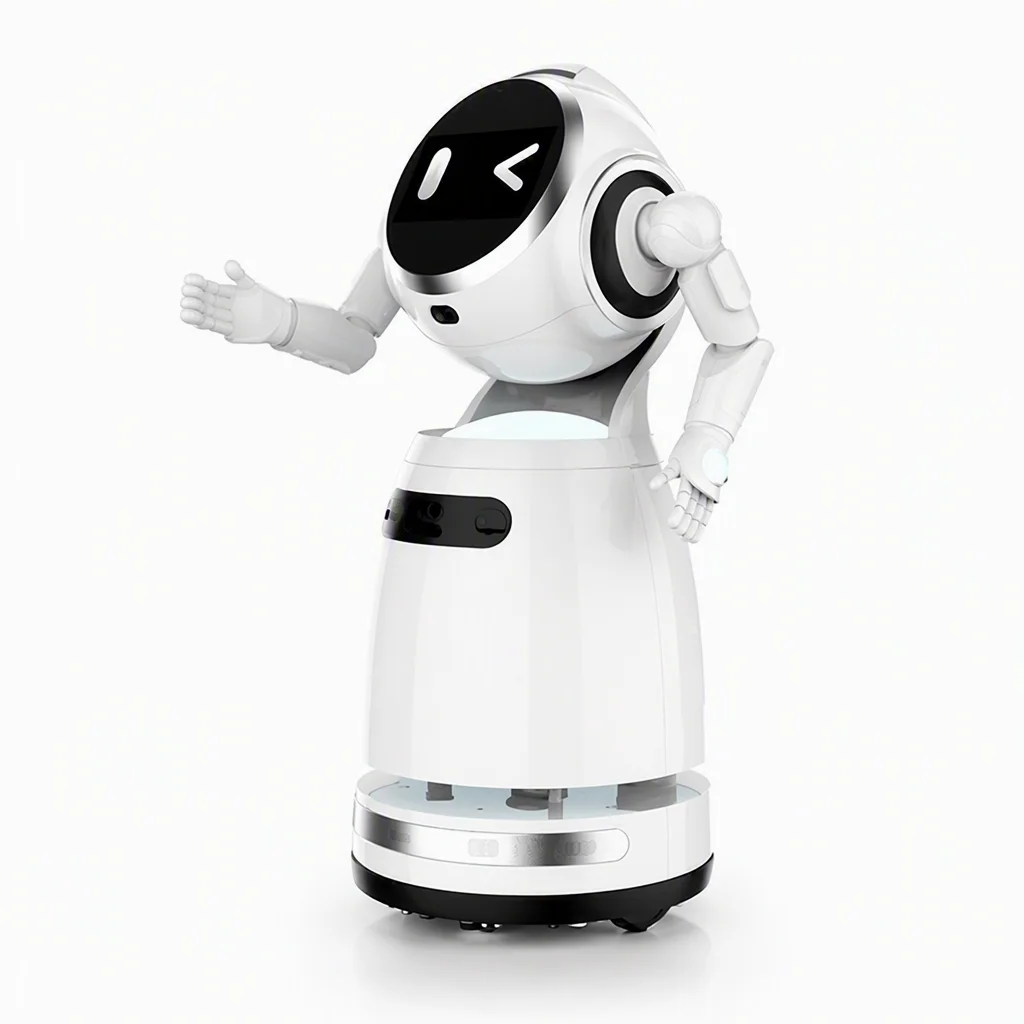
Wayfinding questions pile up precisely when reception is busiest. A G1 absorbs directions and department guidance, freeing staff for the queue that matters.
How the fleet fits
Deployments start with a C1 on the night program; clinics without large concourses start with C2 Pro units per wing. All fleets support scheduled run windows for hygiene protocols.
The ordinary day, run by robots
What shifts look like after week one, the pattern that repeats across every site in this industry.
- Between rounds, not after hours: runs are scheduled ward by ward around the clinical day.
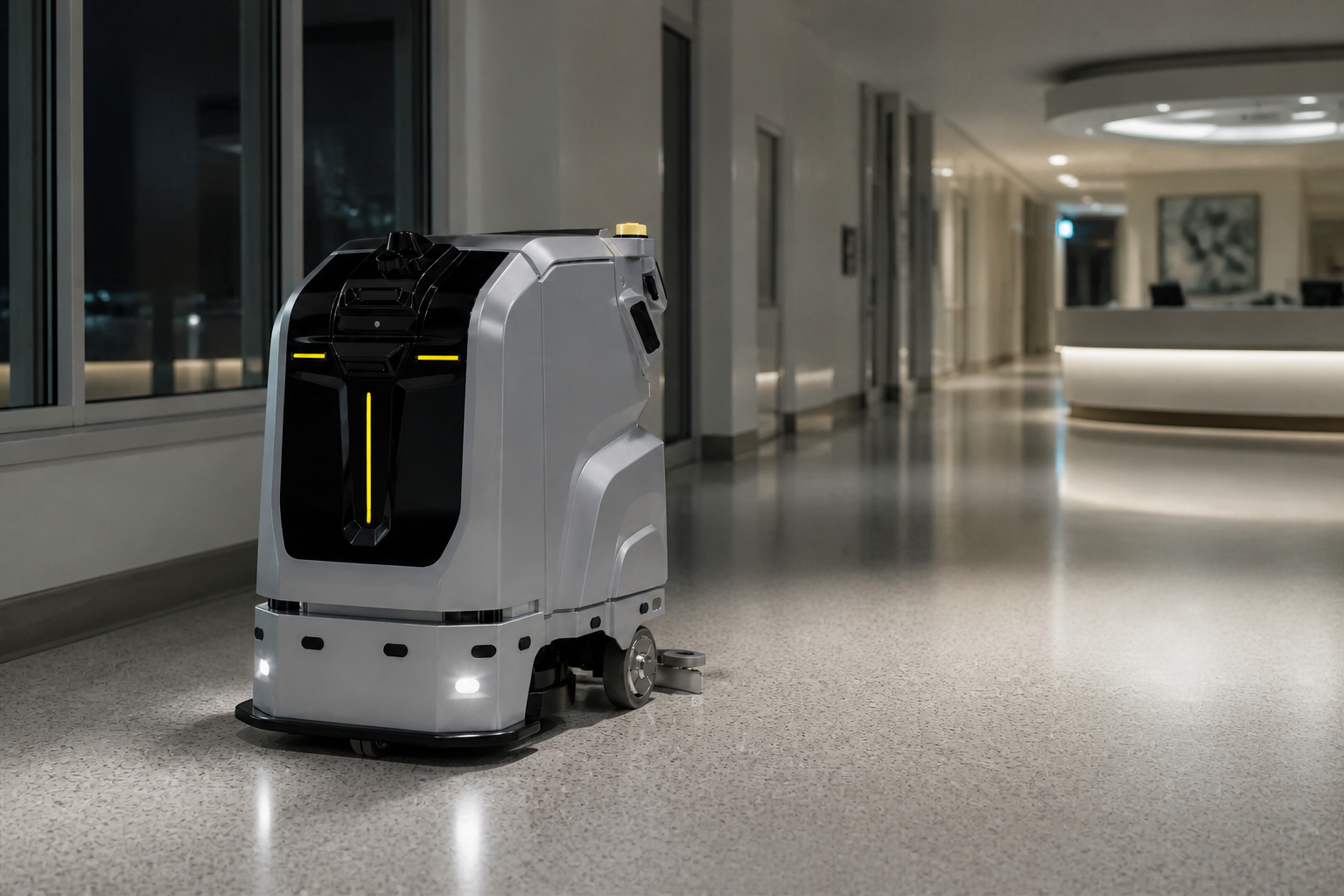
- Silent mode at conversation level, the machine works the occupied side with staff.
- Tanks that come off by hand: pull, rinse, replace, back on route.
Case notes
The same machines, in the same roles, in public deployment records elsewhere.
Tokyo · care facility
C2 Pro
Washing, vacuuming and dust-pushing in one pass on preset routes and a set schedule, unattended. Silent programs keep patient rest and shift flow undisturbed, and the tanks detach by hand for daily service.
Deploy in healthcare.
Send the floor plan, pricing, routes and timeline in one reply.