Robots for Airports & Transport
Terminals are the largest floors in commercial real estate, open nearly 24 hours, with crowd flows that change by the gate. Scale and re-planning are the whole game.
What actually breaks
Concourse square-metres at concourse scale
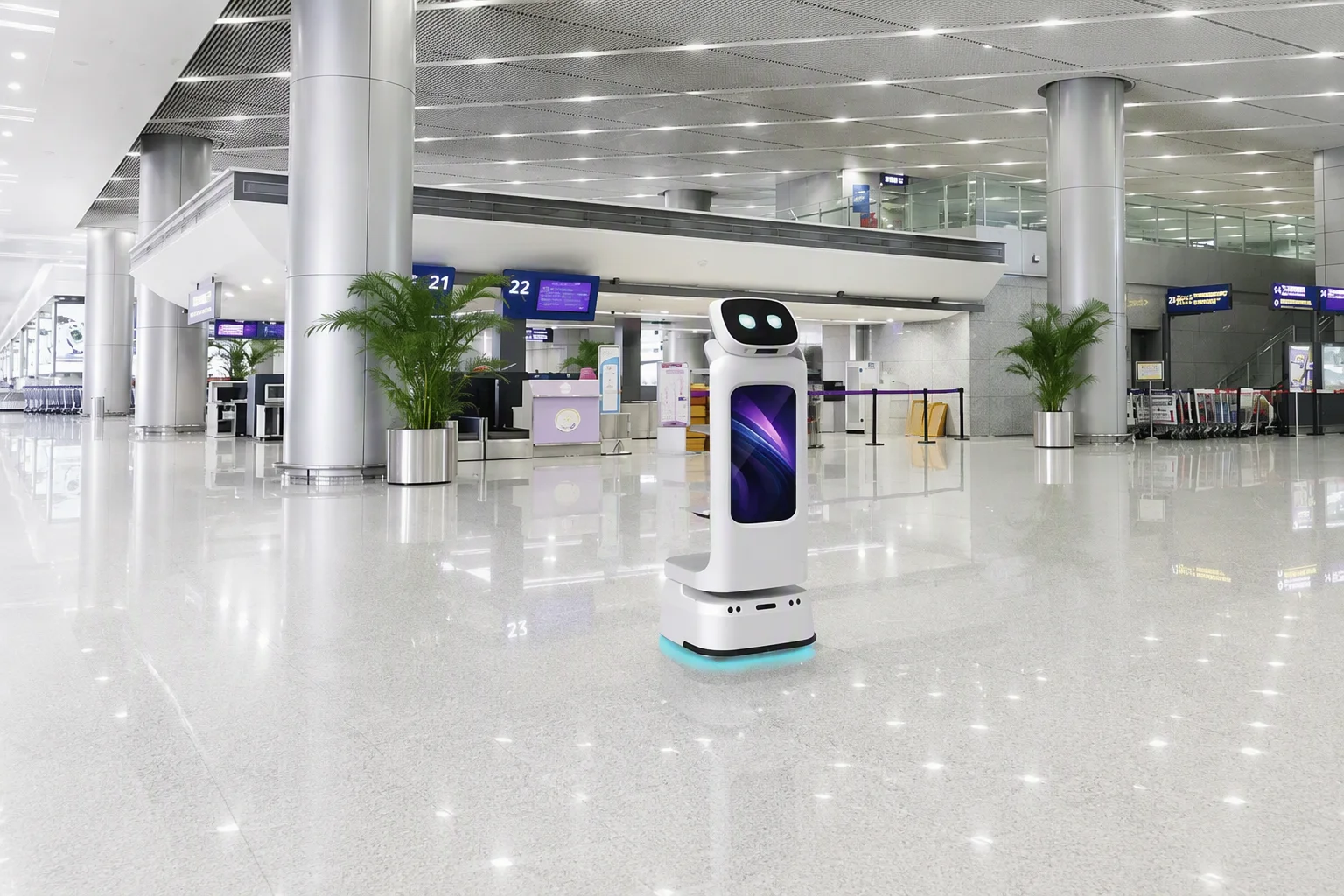
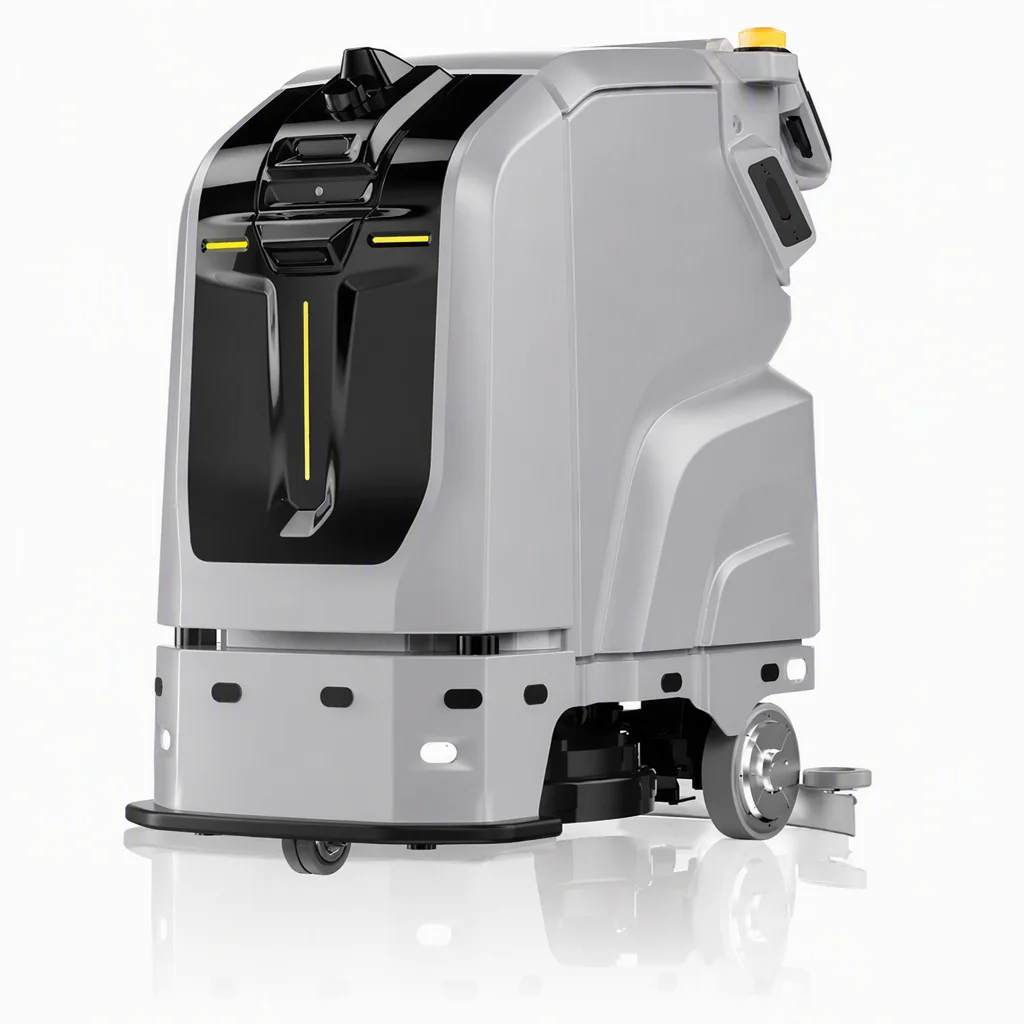
A single terminal wing is more floor than most malls. C1's 2,040 m²/h with lidar re-mapping covers gate changes without re-installing infrastructure.
Crowds that don't follow lanes
Peak flows swallow fixed-guide robots. SLAM fleets re-plan around queues, trolleys and strollers in real time instead of stopping.
Information desks that become bottlenecks
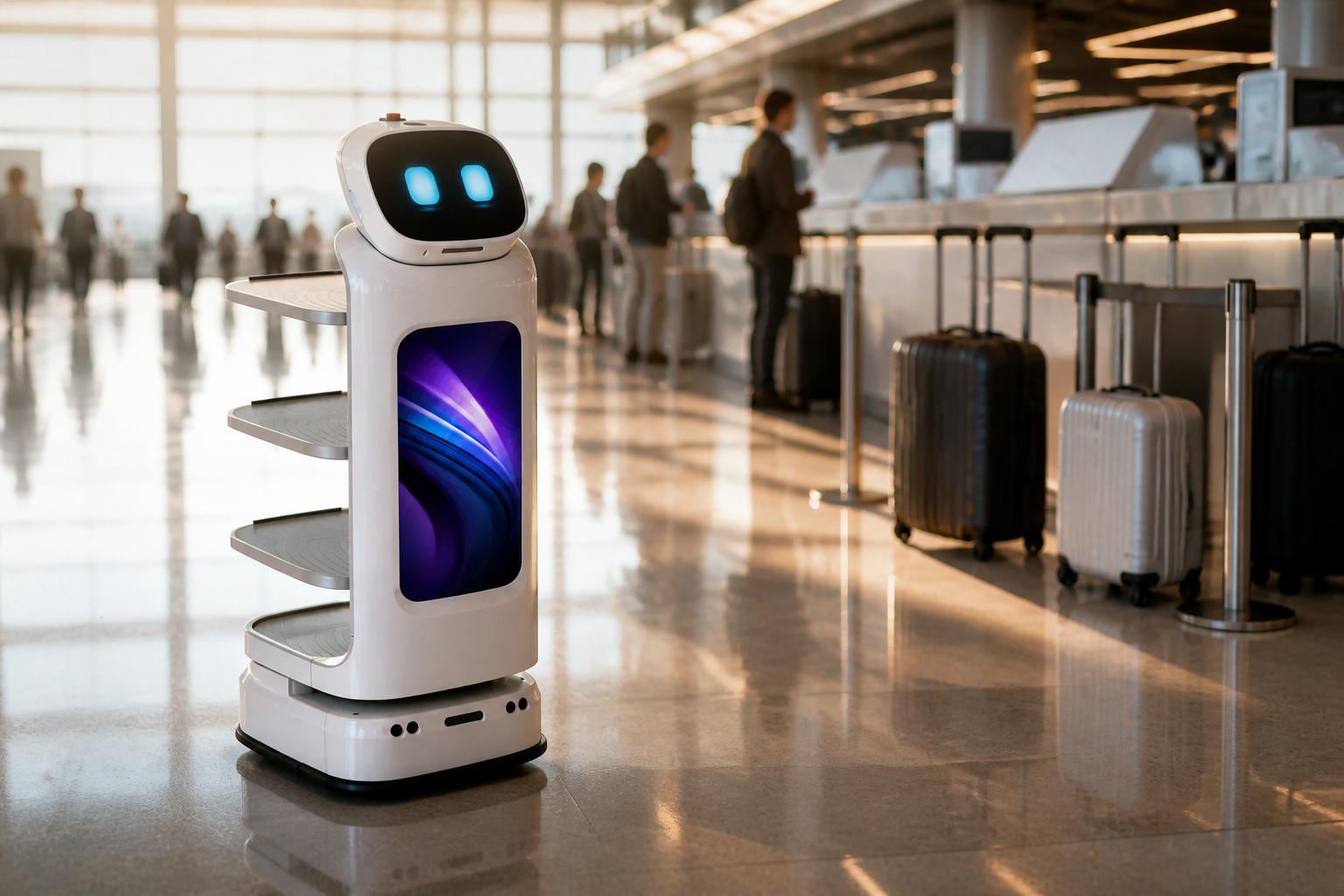
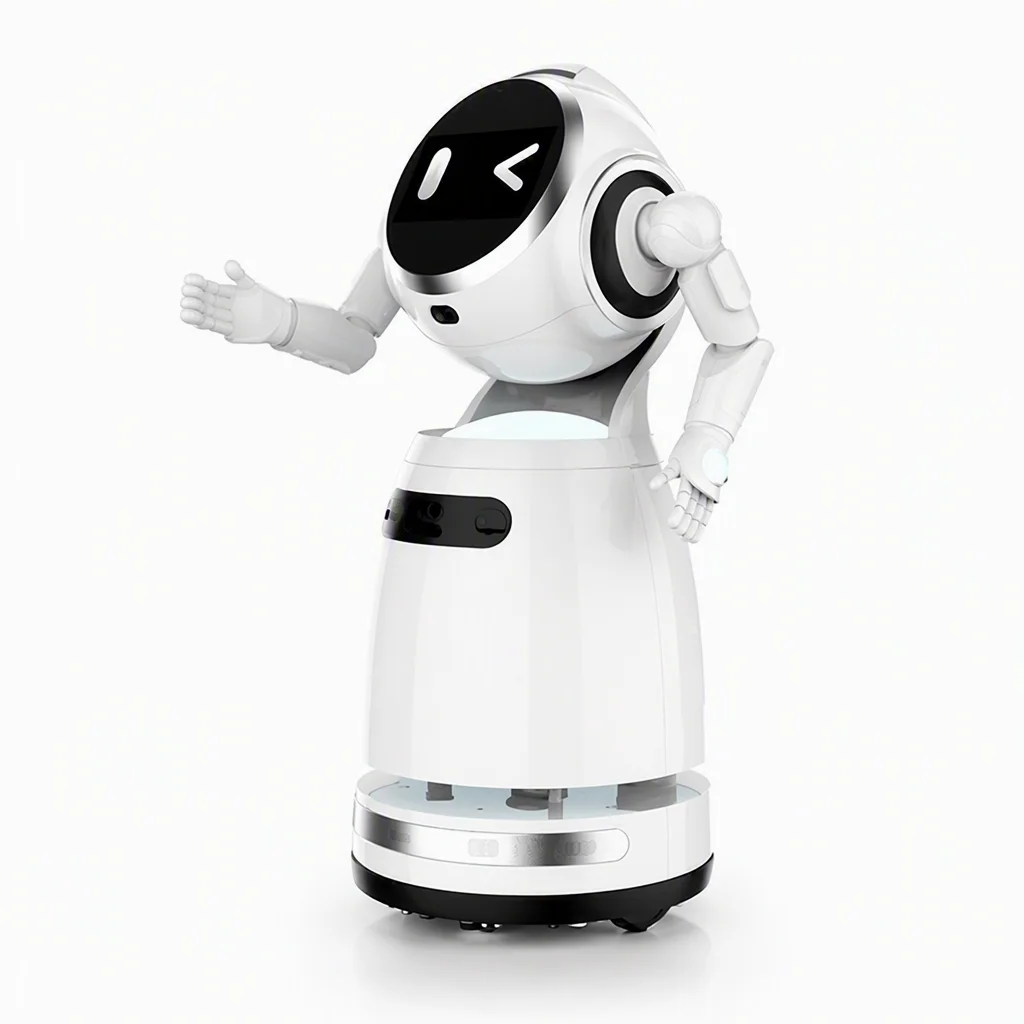
A G1 at the junction handles wayfinding in multiple languages and frees desk staff for the travellers who actually need an agent.
How the fleet fits
Terminal deployments are phased: C1 on the night program first, G1 units at intersections, D1 pilots for lounge delivery. Fleet charging sits in back-of-house corners.
The ordinary day, run by robots
What shifts look like after week one, the pattern that repeats across every site in this industry.
- Night program: C1 covers the concourse, docks before daylight, reset for the first wave.
- Peak: G1 units hold the junctions where the queues actually form.
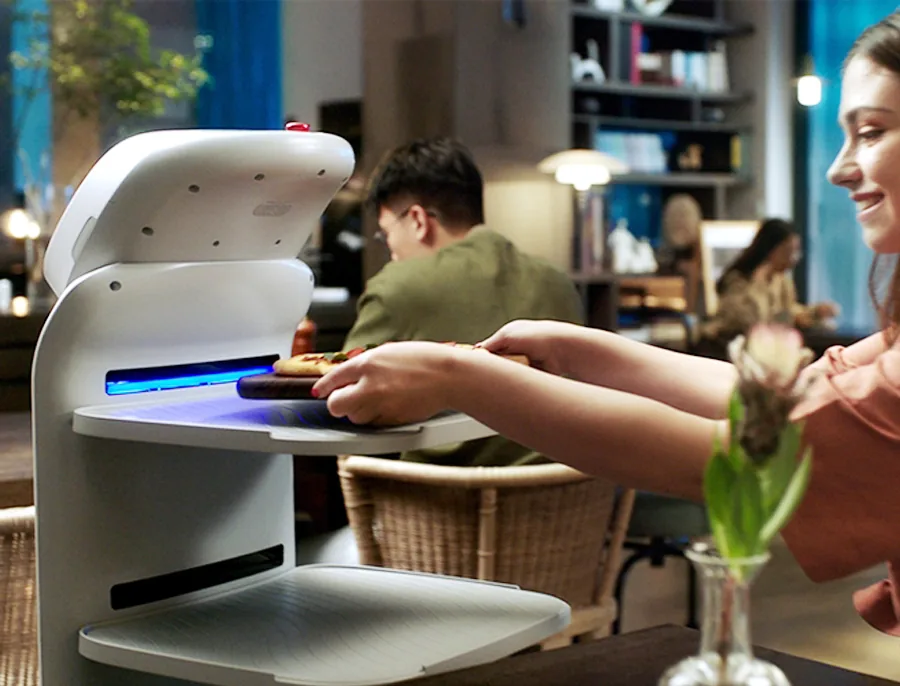
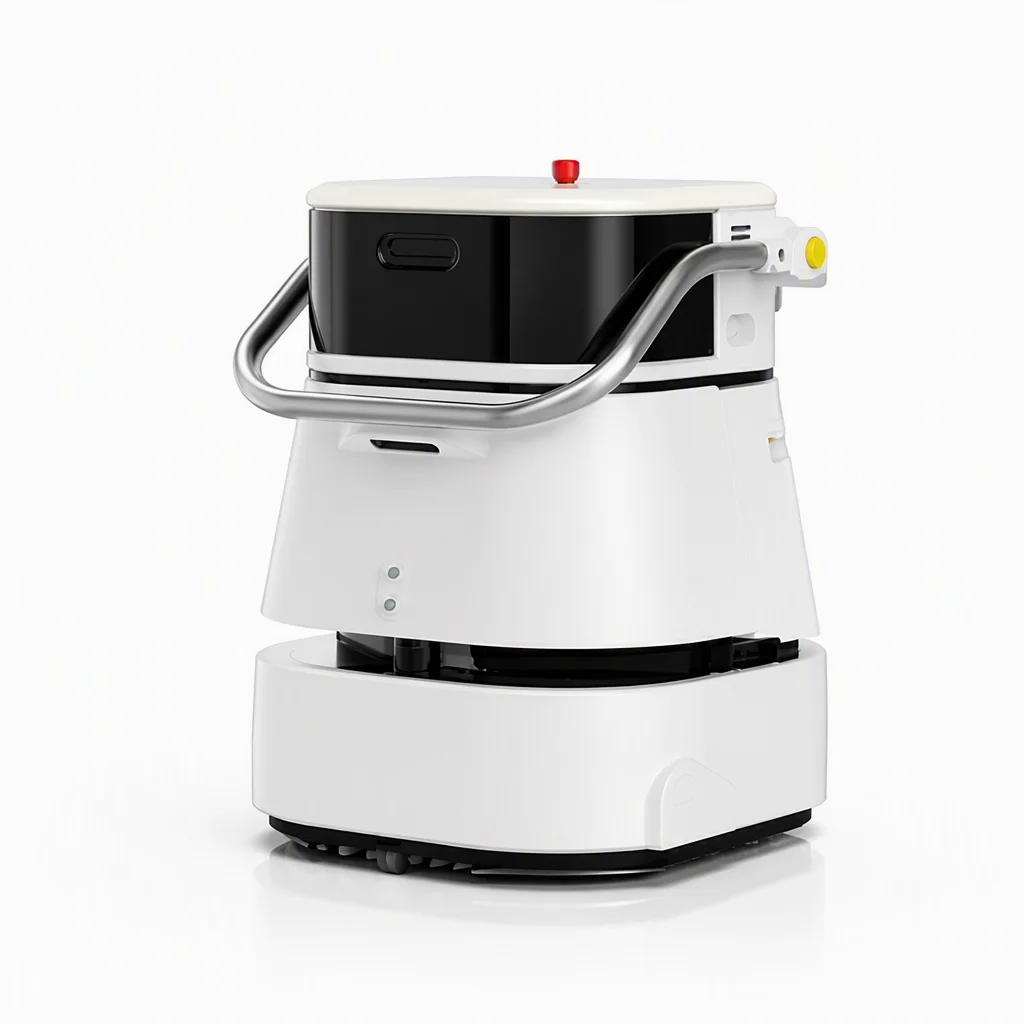
- Lounge delivery: D1 runs elevator routes with tracked, passcode-protected loads.
Case notes
The same machines, in the same roles, in public deployment records elsewhere.
Paris · Charles de Gaulle airport
G1
A reception robot working the terminal circulation for international passengers, greetings and wayfinding across languages, freeing agents for travellers who actually need a human.
Deploy in airports & transport.
Send the floor plan, pricing, routes and timeline in one reply.