
Refurbished & Off-Lease Service Robots: The Secondary Market Buyer's Guide, Save 30-50% on Deployed Fleet Expansion in 2026
At a glance: An off-lease delivery robot like the AOMAN D1 carries 40 kg and years of logged maintenance data. But its real value is set by the battery cycle count and motor hours, not the paint. This guide covers the three sourcing channels, the eight inspection items that decide value, and when used is the wrong answer.
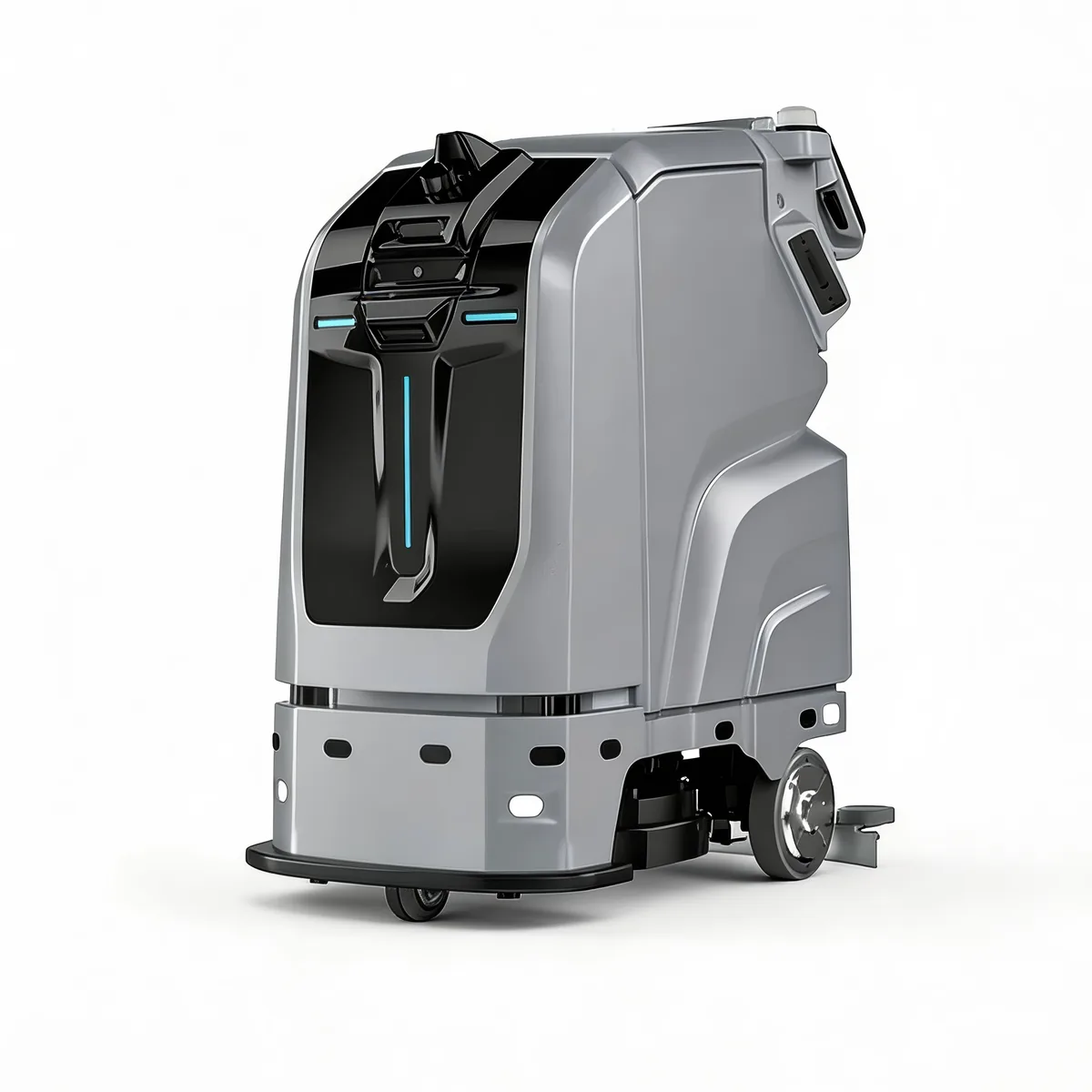
There is no used-car blue book for service robots. The units are real and the savings can be substantial. But the market is informal, the grading is unstandardized, and the buyer is their own inspector.
This guide maps the three sourcing channels, sets out the eight inspection items that decide between a bargain and a restoration project, covers warranty tiers and the scenarios where used is false economy, and shows how used units fit a fleet expansion. The discipline is the same as new-unit procurement, with an inspection layer on top.

Where Used Units Actually Come From
Channel 1: off-lease returns
The most reliable source is the leasing ecosystem itself. When a fixed-term service robot contract ends, the lessor takes the units back, inspects them, and recycles them into the fleet. These units carry history: maintenance events logged in the fleet platform, battery records, the operating environment documented in the service contract. Expect end-of-contract units to vary in age and hours by term length, and ask for the discount in writing on a per-fleet basis, multi-unit buyers hold the leverage here.
Channel 2: vendor-certified refurbishment
A growing number of manufacturers run certified refurbishment: the unit is returned, stripped, inspected, brought back to a defined standard, given current firmware, and resold with a limited warranty. The discount is narrower than broker pricing because the vendor has invested labor and is standing behind the unit. Certified refurbishment makes most sense when you are extending an existing fleet of the same model. Your staff already maintain it, your parts inventory already covers it, and the fleet console takes it on without modification.
Channel 3: brokers and direct resale
Brokers aggregate units from auctions, liquidations and late-lease departures and resell them individually: often with minimal testing and no complete history. The discounts can be the deepest available; so can the liability. A broker unit may have spent its life on abrasive concrete in a warehouse rather than a hotel corridor, and nobody on the selling side can confirm either way. When sourcing from brokers, treat the inquiry like a mini-RFP: require written answers on the eight items below, the firmware license transfer, and the warranty terms.
The Inspection Checklist: Eight Items That Decide
1. Battery health and cycle count
The single most important number on any used robot. Lithium batteries degrade with cycles; a unit with a high cycle count on its original pack may need a mid-shift recharge where a fresh unit would run through. Ask for the battery management system log: cycle count, capacity as a percentage of design capacity, date of the last full discharge test. Above 80% of design capacity with a low cycle count is acceptable; below 70%, or no BMS data at all, is a walk-away, or a full battery cost line in your offer.
2. Drive motor hours and current draw
Drive motors wear with hours, and telemetry shows it before sound does: a motor approaching end-of-life draws more current for the same torque. Ask for motor hour meters and a current-draw test under load. A motor drawing substantially above its spec rating is a replacement line item in the budget, negotiate it, do not discover it.
3. Sensor calibration
Lidar and depth sensors drift with vibration, temperature cycling and knocks. The result is not a crash. It is a slow drift: the wall sits a few centimeters off from where the map says, and the robot corrects and re-plans all night. Ask when the last full calibration was performed, by whom, and for the report. Recent calibration by a manufacturer-certified technician is acceptable; old or unknown calibration means budgeting a recalibration after purchase.
4. Firmware and fleet console transfer
Software is the invisible owner of every unit. Some used units are locked to the previous lessee's fleet environment and need a license transfer or a new activation. Ask: firmware version installed; whether the fleet license transfers; the cost to reach current stable firmware; and whether updates are included for a secondary user. A unit two versions behind with a locked license can cost more than a fresh unit in the worst case.
5. Chassis and structure
Cosmetic scuffs are priced into the discount; structural issues are not. Look for hairline cracks near motor mounts, corroded charging contacts (moisture or chemical exposure) and deformed wheel hubs (curb impacts or terrain beyond spec). Cosmetic wear is a discount factor. Structural damage is a safety factor.
6. Maintenance history
A unit with a complete digital service log is a different asset from the identical unit with none. Minimum acceptable: twelve months of documented preventive service. Ideal: a lifecycle log, component replacements, battery records, calibration reports, software updates. The history says how the unit was run: on a maintenance discipline, or until failure.
7. Consumables
Wheels, brushes, squeegees, filters, the wear items. If the seller has not refreshed them, they belong as a line item in your offer, not as a reason to reject the unit. Ask for the list and price the refresh.
8. Certification currency
The compliance pack, CE, FCC, RoHS, battery transport under UN 38.3, must be current and match the serial number documentation. Check the certificate issue date against the revisions applicable to your deployment environment and, where the environment itself is regulated, against the site's requirements. Certification is the detail that surfaces in year two if you skip it in week two.
Two documents complete the file: the original service agreement history for the unit, which sets out what the fleet console should already know about it, and a signed, dated asset list from the seller, serial numbers, firmware, hours, battery figures. If the seller will not put the asset data in writing, that is the answer in itself: the used-robot market rewards documentation, and the discounts on the undocumented ones are how they stay undocumented.
Warranty Tiers
| Tier | Typical duration | What it covers |
|---|---|---|
| As-is | None | Nothing, broker channel standard |
| Limited functional | Typically 30–90 days | Major component failure, motor, lidar, mainboard |
| Refurbished standard | Usually 6–12 months | Hardware defects plus battery capacity guarantee |
| Extended refurbished | Up to 24 months | The above plus service labor and software updates |
Watch the limited-functional tier: it sounds like coverage and mostly covers sudden failure. While the failure modes that actually cost fleet operators are gradual (battery fade, sensor drift, motor bearing wear). None of those are failures, so none are covered. If you are buying more than two units, negotiate up to the refurbished-standard tier; the premium is cheap insurance against a battery drop in month four.

When Used Is False Economy
- Discontinued models: no parts supply, no lifetime support. One failed drive motor and the savings are gone.
- 24/7 critical environments: a STAT-logistics hospital route is no place to carry residual risk you could have purchased away.
- Locked firmware: if you cannot own the software, you cannot own the robot. Confirm in writing before payment.
- Thin gap to new: when the price gap is small and the remaining component life is unknown, the risk-adjusted value favors new.
- First-time deployment: buy the vendor relationship with your first robot. The used market is for operators who already have the operating procedure, the parts bin and the champion.
How Used Units Fit a Fleet Strategy
The operators who win with used units do not buy cheap robots, they buy strategy at a discount:
- Expand without a CapEx spike: new units plus certified used units opens the new property on day one, with fresh units added as budget allows.
- Standardize one model: secondary supply of the same platform keeps training, parts and console unified, the product line pages list current models, and upgrade paths matter more than sticker price.
- Seasonal buffer: surge capacity in service only four months a year gets a different payback math than a permanent fleet, used units match that math.
- Low-cost trials: a new wing, a new department, a new geography. A clearly scoped experiment at a fraction of new-unit cost is a sensible option on the learning.
Tax Note
In most jurisdictions, used equipment follows the same depreciation classes as new, you depreciate the price you paid, not the original list, and tax expense provisions such as U.S. Section 179 can apply to equipment new to you regardless of prior ownership. Sales tax, import duties and lease accounting treatment vary by country and structure. Confirm with your own tax advisor: this is a note, not tax advice.

The Bottom Line
The secondary market operates without grading, guarantees or central marketplaces. Which is precisely why the discounts exist, and precisely why verification replaces trust. Buy the model you already run, verify battery and motor health from the logs, price warranty or contingency into the offer, and treat used sourcing as an expansion channel with an inspection layer, not as a way to buy robots cheaply. The zone-by-zone routing and cycle-time side of the same decision is worked through in the cleaning labour cost model.
Request a consultation on fleet expansion, contact our procurement team, or start from the AOMAN product range.