
Service Robot Battery Certification and Transport, The Compliance Gate Before the Fleet Ships
At a glance: You can specify the perfect 48-volt NMC pack with an RS485 BMS and still have your fleet stuck at the freight forwarder, because a lithium battery is a regulated dangerous good the moment it leaves the factory. This guide covers the certificates a service robot pack must carry, the shipping rules that apply to ocean and air, and the sourcing questions that keep a compliant battery from becoming an expensive delay.
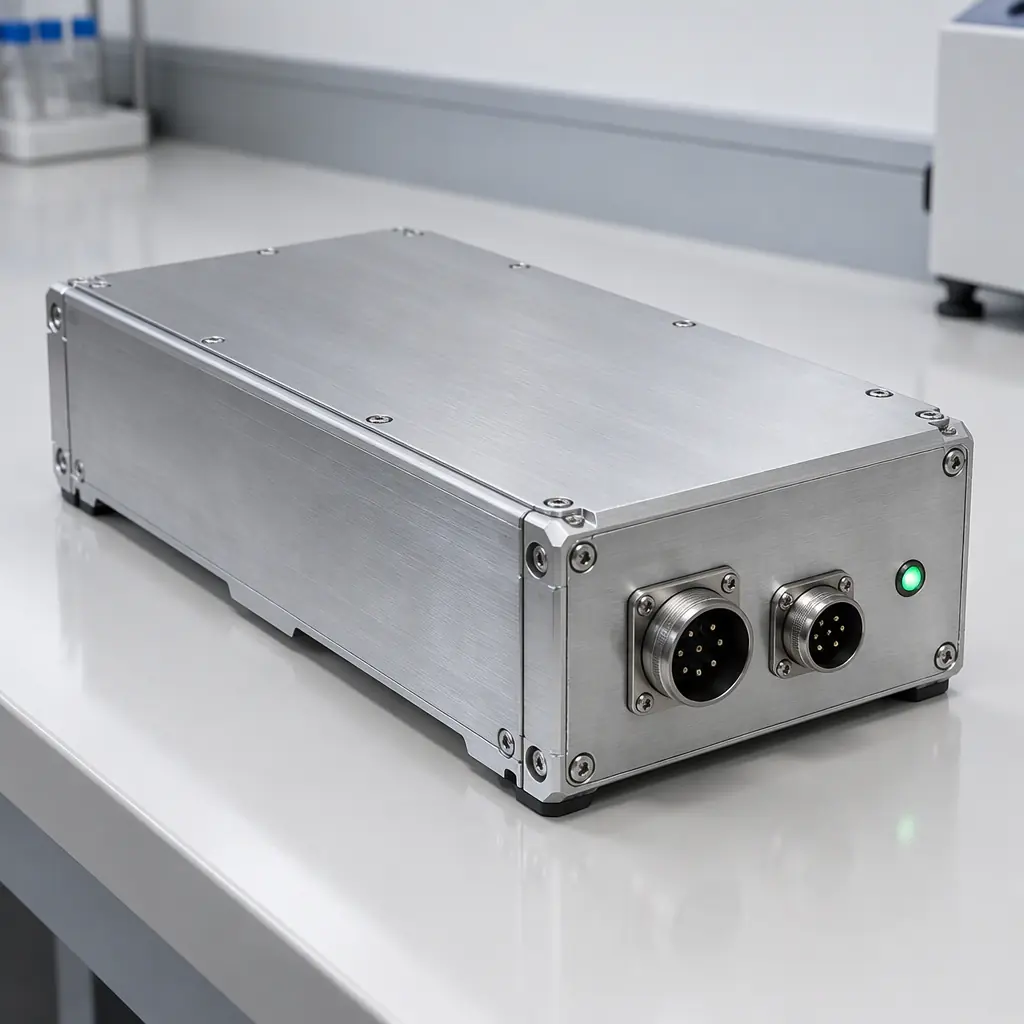
The Certificate That Is Not a Sales Document
Every lithium-ion battery shipped commercially must carry a UN 38.3 test summary. It is not a marketing certificate and it is not optional, it is the evidence that the cell and pack survived the eight transport tests, altitude, thermal, vibration, shock, external short, impact, overcharge and forced discharge, that the United Nations Manual of Tests and Criteria requires. A forwarder, an airline and most customs brokers will ask for it by name.
The practical point for a robot buyer is this: an untested pack is not a cheaper pack, it is a pack that cannot legally move. If a vendor cannot produce a UN 38.3 test summary for the exact cell and pack configuration on the quote, the order is not ready to be placed, whatever the price says.
The Certificates a Service Robot Pack Should Carry
UN 38.3 covers transport. It does not cover whether the pack is safe in the product. Two further standards do the rest of the work, and the table below sets out which is which so a buyer can ask for the right document.
| Certificate / document | What it covers | Who issues it | Ask for it when |
|---|---|---|---|
| UN 38.3 test summary | Transport safety of the cell and the pack | Accredited test lab | Always, before shipping any lithium pack |
| IEC 62133-2 | Safety of the pack as a product for portable use | Accredited test lab | For CE and general market acceptance |
| UL 2054 / UL 2271 | Pack-level electrical and abuse safety | UL or equivalent | For North American deployments |
| IEC 62619 | Safety for industrial lithium cells and packs | Accredited test lab | For larger industrial robot packs |
| MSDS / SDS | Hazard communication for handling and shipping | Cell or pack maker | With every shipment, for the forwarder |
| CE declaration or UKCA | Market access for the finished robot | Manufacturer | At import, tied to the pack inside |
Note the difference between a cell certificate and a pack certificate. A UN 38.3 summary for a bare 21700 cell does not automatically cover the twelve-cell pack your robot carries, because the pack adds a BMS, a housing and interconnects that are themselves subject to test. Demand the summary for the pack assembly, not the datasheet of the cells inside it. The chemistry and pack-level choices behind these documents are covered in our battery pack specification and sourcing guide.
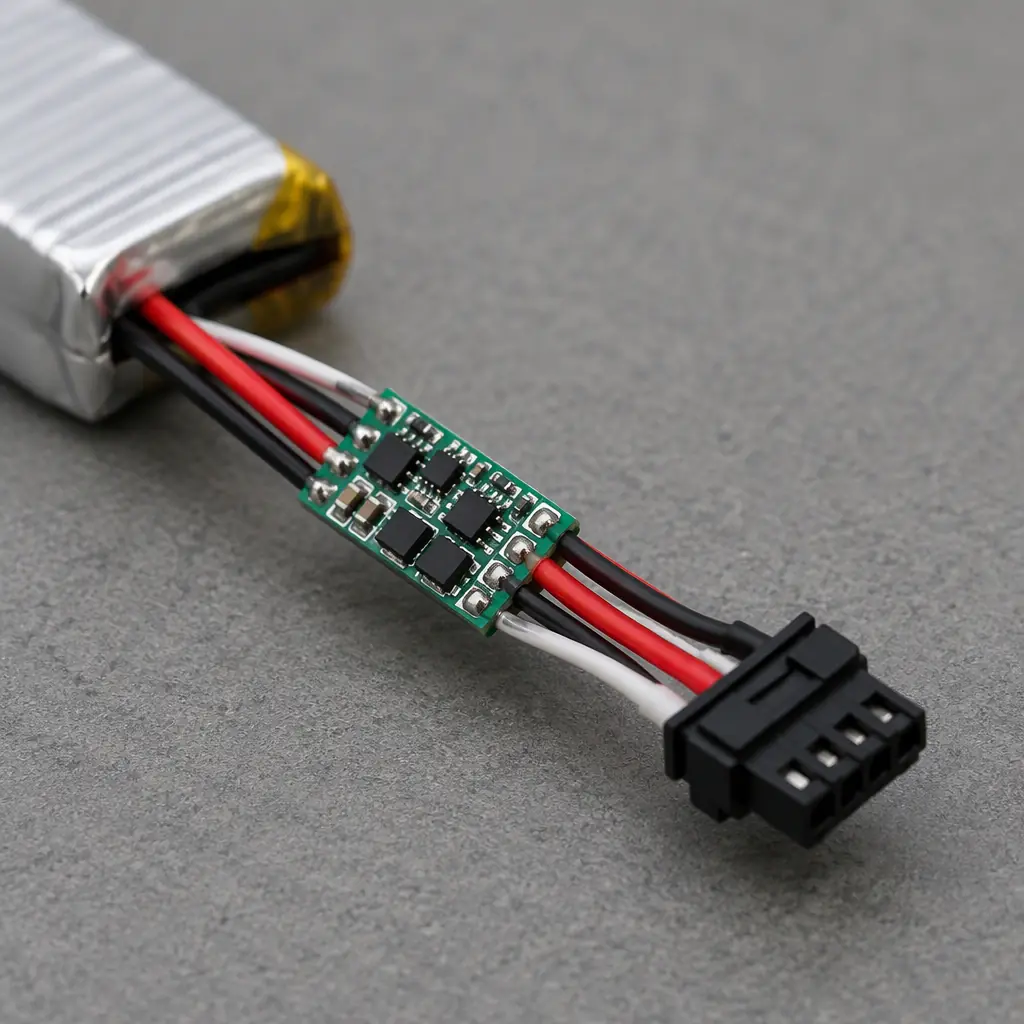
Shipping a Pack Is a Regulated Event
Once the certificates exist, the pack still has to travel, and lithium batteries fall into UN dangerous-goods classes that constrain how. The rules differ by mode and by state of charge, and getting them wrong is the most common cause of a stuck shipment.
- State of charge. For transport, packs should ship at around thirty percent state of charge, not full. A fully charged lithium pack is treated more restrictively and is a fire risk if damaged in transit.
- Air freight. Lithium-ion packs shipped alone fall under Class 9 UN 3480 and are limited in quantity per package and per aircraft. A single robot with its pack installed is a different, more permissive case than a box of spare packs, which is why spares and finished units should be planned as separate shipments.
- Ocean freight. Spare packs usually move under UN 3480 or UN 3481 as Class 9, with the MSDS and a correctly marked and labelled outer package required.
- Documentation. Every shipment needs the test summary, the MSDS and the correct dangerous-goods declaration prepared by a trained shipper. An air waybill with the wrong UN number is refused at the ramp, not corrected in transit.
The planning consequence is simple: add two to four weeks to any timeline that includes shipping spare lithium packs by air, and prefer ocean for the bulk of a spare-parts order. Our lead-time and delivery scheduling guide works through where this sits in a deployment plan.
Sourcing Questions That Prevent a Compliance Surprise
Most battery problems surface at the worst moment, when a replacement pack is ordered two years after the robot shipped and the vendor has quietly changed a cell supplier. Six questions, asked before the first order, close that door.
- Is the UN 38.3 summary for the exact pack, not the cell? Ask for the document and read the configuration it names.
- Which cells, from which maker, and are they certified? A reputable pack uses tier-one A-grade cells with their own documentation.
- What is the BMS safety envelope? Over-voltage, under-voltage, over-current and over-temperature cut-offs should be stated with values, because the BMS is what protects the pack in daily use.
- Will the same pack be available, unchanged, in year three? Certification is configuration-specific, so a silent cell substitution voids the paperwork.
- Who prepares the shipping documentation? If the vendor does, confirm they can produce the dangerous-goods declaration, not just the hardware.
- What is the warranty on the pack, separate from the robot? Packs wear on a different clock than the machine, as the warranty and contract terms guide sets out.

Where Certification Sits in the Total Cost
Certification rarely appears as a line on a quote, yet it shapes the cost of ownership. A pack that carries full UN 38.3 and IEC 62133 documentation ships without delay and can be replaced in warranty without argument. A pack that does not forces air shipments to be rerouted, adds brokerage time, and can strand a spare order for weeks while paperwork is produced retroactively. Put against the cost of one robot out of service for a fortnight, the documented pack pays back its premium the first time it avoids a shipping hold.
For the chemistry and degradation side, LFP, NMC and LTO age differently and that difference sets the replacement year, which our battery charging technology guide covers. For the charging infrastructure a fleet needs, see fleet charging infrastructure and power planning.
The Compliance Checklist in One Place
- Demand a UN 38.3 test summary for the pack configuration, not the bare cell.
- Match the safety standard to the market: IEC 62133-2, UL 2054 or UL 2271, IEC 62619.
- Get the MSDS with every shipment and confirm dangerous-goods documentation is prepared.
- Ship at around thirty percent state of charge, and separate spare packs from finished units.
- Ask the six sourcing questions before the first purchase order.
- Hold the certificate set with the maintenance records, so year-three replacement is a reorder, not a re-qualification.
Battery compliance is unglamorous and entirely avoidable as a problem. Handled at specification, it is a folder of documents. Handled late, it is a fleet waiting on a cargo ramp.
Continue Reading
Get a Quote
Tell us about your site and workload and we will size the fleet, the accessories and the service plan around your actual operation. Request a quote or email [email protected].

Get a Quote
Tell us about your space and workload, we reply within 24 hours.