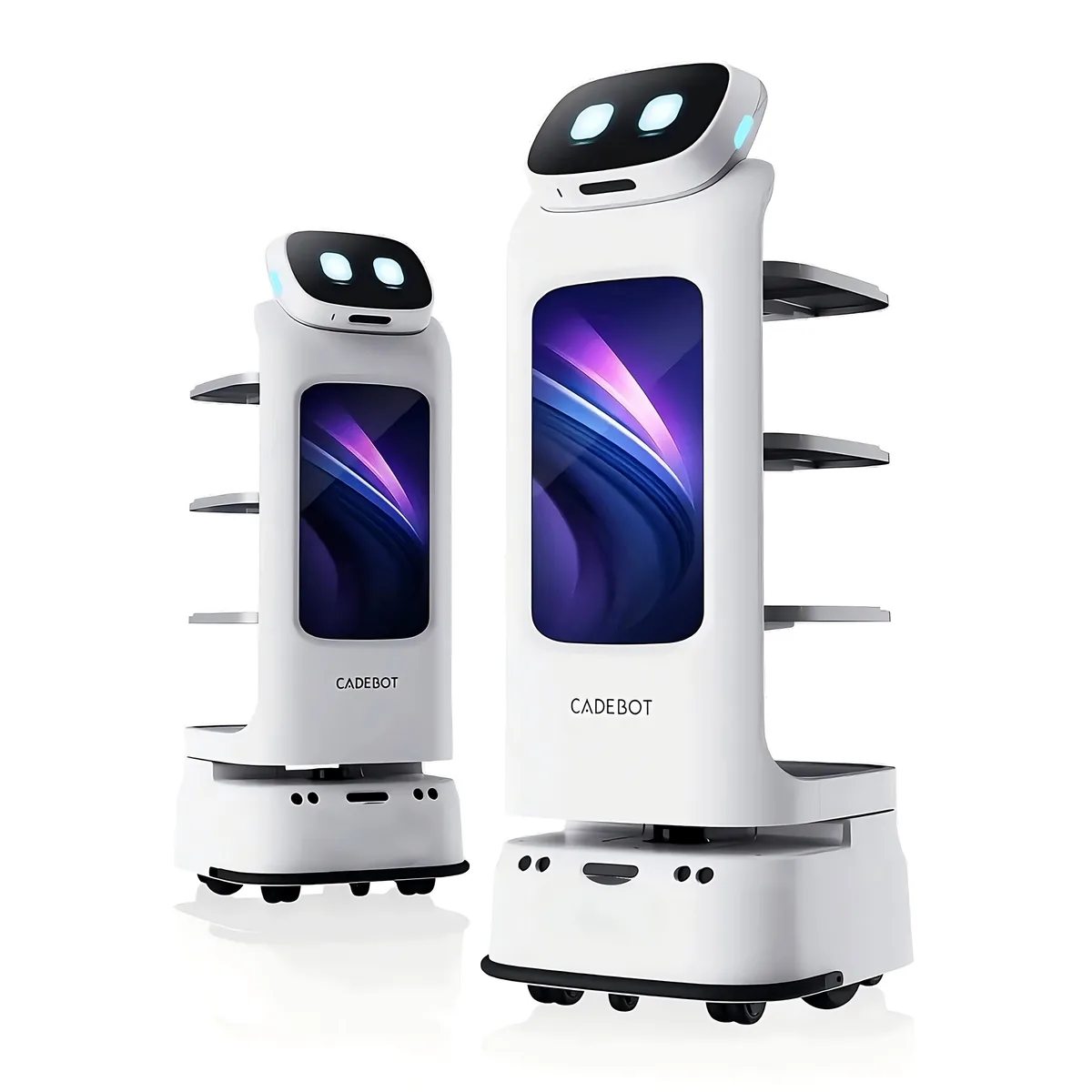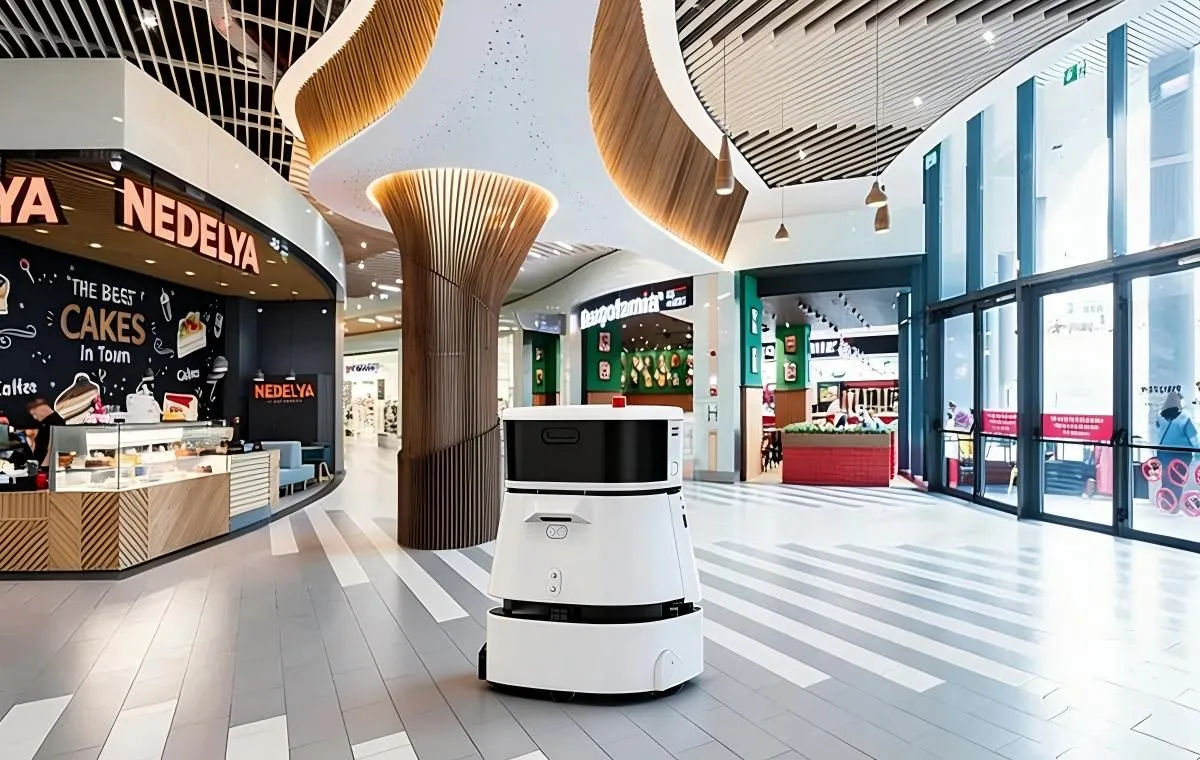
A service robot costs $15,000–$45,000. A full-time hotel or hospital staff member costs $28,000–$52,000 per year (loaded). On paper, the math looks simple: the robot pays for itself in 12–18 months.
In practice, ROI depends on utilization, integration, and whether you're measuring the right things. Here's how procurement teams at leading hotels, hospitals, and commercial facilities are evaluating service robot investments in 2026.
The Real Cost of a Service Robot
The sticker price is the starting point, not the total. A complete cost model includes:
Acquisition (Year 0)
| Cost Item | Range | Notes |
|---|---|---|
| Robot unit | $15,000–$45,000 | Varies by type and payload capacity |
| Deployment and mapping | $2,000–$5,000 | Site survey, floor mapping, elevator integration |
| Staff training | $800–$2,000 | Typically 1–2 days on-site |
| Total Year 0 | $18,000–$52,000 | One-time |
Recurring (Years 1–5)
| Cost Item | Annual Range | Notes |
|---|---|---|
| Maintenance contract | $1,200–$3,600 | Typically 8–12% of unit cost |
| Battery replacement | $400–$800 | Every 2–3 years depending on cycles |
| Software updates | $0–$1,200 | Included by most vendors |
| Insurance | $200–$500 | Liability coverage |
| Electricity | $100–$300 | < $1/day for charging |
| Total Annual Recurring | $1,900–$6,400 |
Five-Year TCO Comparison
A single delivery robot with a $22,000 acquisition cost and $3,000/year in recurring expenses has a 5-year TCO of approximately $37,000 — roughly $7,400/year.
A full-time delivery staff member at $32,000/year (loaded) costs $160,000 over the same period. Even accounting for the robot handling only 60–70% of the workload, the labor savings are significant.
Labor Savings: The Primary ROI Driver
Delivery Robots
A CADEBOT L100 or AOMAN DOUBLE handles room service delivery, linen transport, and supply runs in hospitality and healthcare settings.
- Task coverage: One robot handles the equivalent of 1.2–1.8 FTE in delivery tasks
- 24/7 operation: Works overnight shifts without overtime — a 3-shift operation would require 3.5 FTE in human staffing
- Consistent throughput: Average delivery time of 8 minutes vs. 25 minutes for manual delivery, enabling 50–70 deliveries per day vs. 20–25
Typical payback period: 12–18 months for a single-shift deployment; 6–9 months for multi-shift.
Cleaning Robots
A CLEINBOT M79 or CLEINBOT C2 Pro covers 2,000–3,000 m² per shift.
- Staff reallocation: Cleaning robots don't eliminate cleaning staff — they allow staff to focus on high-touch surfaces and detail work while robots handle open-area floor maintenance
- Consistency improvement: ATP testing typically shows 40–60% better surface hygiene scores with robot-assisted cleaning vs. manual-only protocols
- Overnight operation: Autonomous night-time cleaning eliminates the need for overnight janitorial shifts, which typically command 1.5×–2× wage premiums
Typical payback period: 14–22 months, with faster payback in 24/7 facilities (hospitals, airports, casinos).
Humanoid Service Robots
A CRUZR deployed at a front desk or lobby handles wayfinding, FAQs, and check-in assistance.
- Interaction volume: 250–350 interactions per day in high-traffic settings
- Staff augmentation: Reduces front desk query volume by 25–35%, allowing human staff to handle complex requests and problem resolution
- Multi-language capability: Handles 8–12 languages without additional staffing cost — particularly valuable for international hotels and airports
Typical payback period: 18–30 months. Humanoid robots typically have longer payback periods than delivery or cleaning robots but provide brand differentiation value that pure TCO analysis understates.
The Hidden ROI Factors
Reduced Turnover Costs
Hospitality and healthcare have turnover rates of 70–100% annually for entry-level positions. Replacing a single staff member costs 30–50% of their annual salary in recruiting, training, and productivity loss. Robots don't quit.
For a hotel with 40% annual turnover in housekeeping and room service staff, reducing that rate by even 5–10 percentage points through automation of the most repetitive tasks can save $50,000–$120,000 annually — separate from direct labor savings.
Guest Satisfaction and Revenue
Hotels using delivery robots report:
- Faster room service: 8-minute average delivery vs. 25-minute manual delivery — reflected in room service order volume increases of 15–25%
- Novelty-driven engagement: Properties with lobby robots see 8–12% increase in social media mentions and positive reviews in the first 6 months
- Repeat bookings: 18% of guests at one major chain cited "modern technology amenities" as a reason for rebooking
Compliance and Audit Trail
For healthcare and food service, the digital audit trail that robots provide — every delivery timestamped, every cleaning path logged — has compliance value that manual processes cannot replicate. One hospital system estimated that robot-generated cleaning logs reduced their Joint Commission survey preparation time by 40 hours per inspection cycle.
The Utilization Trap
The #1 reason service robot ROI falls short is under-utilization. A robot that sits idle for 16 hours per day has a payback period 3× longer than one running 20+ hours across multiple shifts.
Optimizing Utilization
- Multi-shift scheduling: The same robot that delivers room service 7 AM–11 PM can clean corridors 11 PM–5 AM
- Task pooling: One delivery robot can serve multiple departments (room service, housekeeping, engineering, guest amenities) rather than being siloed to a single function
- Fleet management software: Centralized scheduling and dispatch across 3–5 robots maximizes utilization and provides redundancy when one unit is charging or in maintenance
Leading deployments achieve 18–22 hours of daily utilization per robot. At that level, the payback math becomes compelling even for smaller properties.
Questions to Ask Vendors
Before signing a PO, procurement teams should get written answers to:
- What's your fleet management capability? Can I schedule across shifts, re-task robots dynamically, and monitor utilization?
- What's the maintenance SLA? 48-hour response is standard; 24-hour or same-day is premium but worth it for 24/7 operations
- What's the battery cycle life? 1,500–2,000 cycles is typical for LiFePO4 batteries used in service robots. Ask about replacement cost and procedure
- How does elevator integration work? Get a written compatibility assessment with your building's elevator model and protocol (BACnet, Modbus, or proprietary)
- Can I pilot before committing? The standard is a 30–90 day paid pilot with defined success metrics. Avoid vendors who push for a full fleet purchase without a trial
The Bottom Line
Service robot ROI is real and measurable — when procurement teams look beyond the sticker price and model the full picture. The robots that pay for themselves fastest are those deployed across multiple shifts, with clear task workflows, in facilities that have basic infrastructure (Wi-Fi, elevator integration) in place.
For most buyers, the recommended path is: pilot one robot for 90 days → measure utilization and labor impact → model fleet ROI → scale. AOMAN FUTURE offers structured pilot programs with defined KPIs and a dedicated deployment engineer for the trial period.
Contact us to request an ROI assessment for your facility.